Spotting Early Signs of Pet Arthritis This February


Spotting Early Signs of Pet Arthritis This February
Is your dog or cat moving a little slower now that February’s cooler, damp weather has settled into Westlake Village? If you have noticed your pet hesitating before jumping onto the couch, lagging behind on walks, or struggling with stairs, you are not alone. At Townsgate Pet Hospital, our veterinarians often see an increase in joint stiffness and arthritis symptoms during this time of year. Early detection is key to preserving your pet’s comfort and mobility, especially as subtle signs can be easy to miss. In this post, we will guide you through recognizing the earliest symptoms of arthritis, explore why pets are affected, describe how our diagnostic and treatment options can help, and offer advice for keeping your furry friend comfortable at home. With our in-house diagnostics, advanced imaging, and compassionate approach, pets in Westlake Village and surrounding communities can receive tailored care for joint health all season long. If you are concerned about your pet’s mobility, our team is here to help you understand what comes next and how to act quickly for the best outcome.
Recognizing Early Signs of Arthritis in Pets
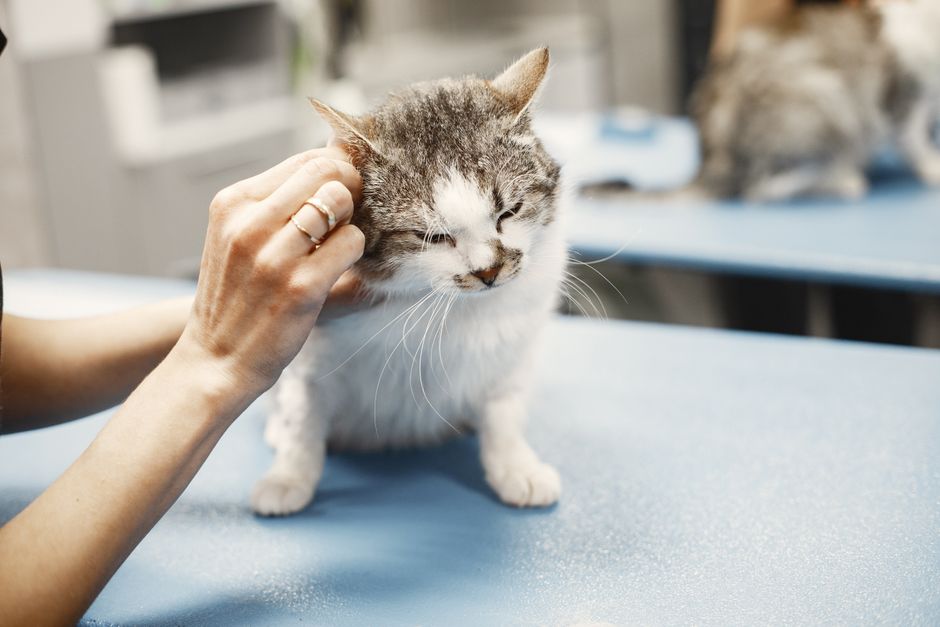
Pets are masters at hiding pain, so the first signs of arthritis are often subtle. You might notice your dog or cat hesitating before jumping onto their favorite spot, taking longer to rise after a nap, or becoming less enthusiastic about playtime. Stiffness, especially after periods of rest, can be one of the first indications that something is amiss. Additional symptoms include limping, favoring one leg, or an overall decrease in activity. In some cases, your pet may develop a slight change in behavior, such as irritability when touched near the joints or reluctance to be groomed. Cats, in particular, might avoid high places they once frequented or take shorter, more tentative steps. For dogs, signs to watch for are an uneven gait, muscle loss around the hips or shoulders, or licking and chewing at painful joints. If your pet is showing any of these changes this February, it is important to consider the possibility of developing arthritis.
Seasonal Patterns and Arthritis
The mild but damp winters in Westlake Village can exacerbate joint discomfort in arthritic pets. Cold weather often makes stiffness more noticeable, especially after pets have been inactive for hours. You might observe your pet limping more on chilly mornings or showing reluctance to go outside when it is damp. Pets with early arthritis may also experience increased discomfort during walks or after more vigorous activity, which can make it tempting for them to rest more and move less. Recognizing these seasonal patterns can help you intervene early before the condition worsens.
Why Do Pets Develop Arthritis? Understanding the Causes
Arthritis is an umbrella term for joint inflammation that leads to pain, swelling, and reduced mobility. In pets, the most common form is osteoarthritis, which results from the gradual wear-and-tear of cartilage that cushions the ends of bones. Several factors contribute to arthritis in dogs and cats. Age is a primary risk factor; as pets grow older, their joints naturally experience more wear. Genetics also play a role, with certain breeds being more prone to joint issues. For example, large-breed dogs and some purebred cats have a higher likelihood of developing arthritis as they age.
Obesity can significantly increase the risk, as extra weight puts additional stress on joints, accelerating cartilage breakdown. Previous injuries, such as ligament tears or fractures, can predispose pets to developing arthritis in the affected joint later in life. Additionally, underlying joint abnormalities, like hip or elbow dysplasia, can set the stage for early-onset arthritis in both dogs and cats. Environmental factors, including a sedentary lifestyle or repetitive high-impact activities, may further influence how rapidly arthritis develops.
How Our Team Diagnoses Arthritis
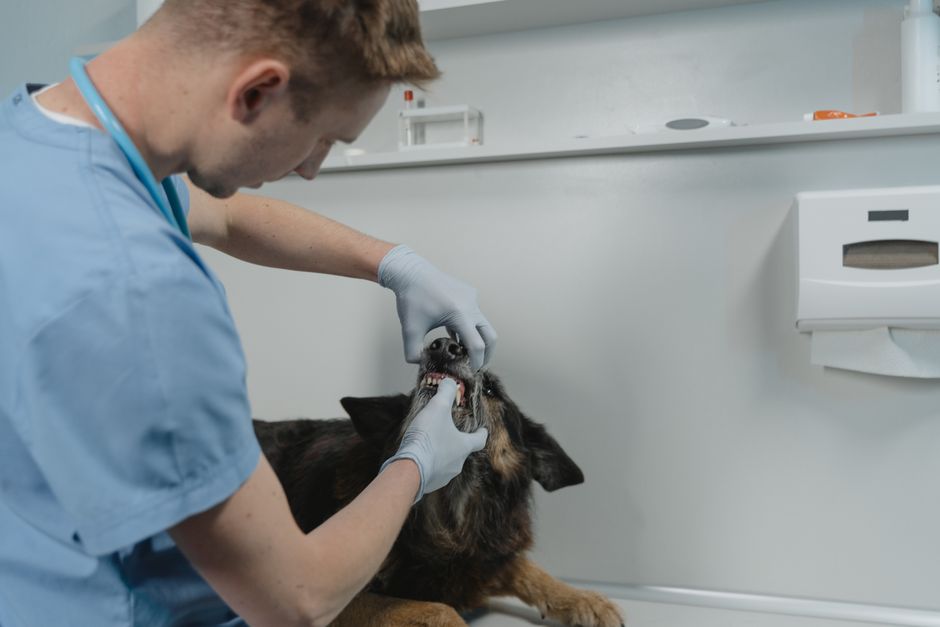
Accurately diagnosing arthritis involves a combination of careful physical examination and advanced diagnostic tools. At Townsgate Pet Hospital, our veterinarians begin by evaluating your pet’s gait, flexibility, and joint health during a thorough wellness exam. We may recommend in-house lab work to check for inflammatory markers or underlying health conditions that could be contributing to discomfort. To visualize joint changes, we utilize digital radiology, which allows us to see bone spurs, joint space narrowing, and other arthritis-related changes in real time. For a more detailed assessment, vet ultrasounds can provide valuable insight into soft tissue structures surrounding the joints. These diagnostic tools help us create a more complete picture of your pet’s health and tailor a treatment plan to their specific needs.
Treatment and Management: Easing Arthritis Pain in Pets
Once a diagnosis is made, managing your pet’s arthritis becomes a team effort between you and our veterinary professionals. Treatment approaches involve a combination of medication, lifestyle adjustments, and in some cases, surgical intervention. Our veterinarians may prescribe anti-inflammatory medications or pain relievers to control discomfort and improve mobility. For pets with significant joint damage or those who do not respond to medical management alone, we offer advanced options such as orthopedic surgery, including procedures for knee cap dislocation, hip dysplasia, and other joint problems.
Weight management is critical; maintaining a healthy weight reduces pressure on joints and can dramatically slow disease progression. Our team can guide you through nutritional counseling tailored to your pet’s age, breed, and activity level. Physical rehabilitation, gentle exercise routines, and environmental modifications such as ramps or orthopedic bedding can all make a meaningful difference. For senior pets, our senior pet care services offer ongoing support and monitoring, ensuring your pet’s comfort as their needs evolve. We also provide regular check-ins and lab work through our diagnostic laboratory to monitor your pet’s response to treatment and adjust their care plan as needed.
Tailored Plans for Every Pet
No two pets experience arthritis in the same way, which is why our veterinarians prioritize individualized care plans. For some pets, a combination of pain management, joint supplements, and weight control is sufficient to restore quality of life. Others may benefit from surgical correction of specific joint abnormalities or more advanced medical therapies. Throughout the process, our goal is to help your pet stay active, comfortable, and engaged in their favorite activities for as long as possible.
Preventing Further Joint Damage: Home Care Tips for Pet Owners
While arthritis cannot be reversed, there are many steps you can take at home to support your pet’s joint health and slow disease progression. Regular, gentle exercise helps keep muscles strong and joints flexible. Short, frequent walks for dogs and interactive play sessions for cats can help maintain mobility without overexertion. Maintaining a healthy weight is especially important; excess pounds put unnecessary strain on already vulnerable joints. Feeding a balanced diet and limiting treats are effective strategies for weight control.
Providing a warm, supportive sleeping area can ease joint stiffness, especially during colder months. Consider orthopedic beds or adding extra padding to your pet’s favorite resting spots. Using ramps or stairs to access higher surfaces can minimize jumping and reduce impact on the joints. For pets who struggle on slippery floors, non-slip mats or rugs can offer additional traction and stability. Joint supplements, such as glucosamine and chondroitin, may be recommended by our veterinarians based on your pet’s individual needs.
Monitoring for Changes
Keep a close eye on your pet’s mobility and comfort, noting any changes in behavior, appetite, or activity. A sudden increase in limping, reluctance to move, or vocalization during activity may indicate worsening arthritis or a new injury. Promptly addressing these changes with our veterinary team can prevent further joint damage and improve your pet’s outcomes.
When to Seek Veterinary Care for Arthritis Symptoms
It is natural for pets to slow down as they age, but noticeable discomfort, persistent limping, or sudden changes in mobility should never be ignored. If you observe that your pet is struggling to rise, avoiding previously enjoyed activities, or showing signs of pain when touched, it is time to schedule an appointment with our veterinarians at Townsgate Pet Hospital. Delaying care can lead to increased pain and decreased quality of life for your pet. Our team is equipped with advanced diagnostic tools, including digital radiology and ultrasound, to quickly identify the source of your pet’s discomfort and initiate appropriate treatment.
For senior pets or those with a history of joint injuries, regular wellness exams and ongoing monitoring are essential. Early intervention can make a significant difference, allowing your pet to maintain an active and happy lifestyle well into their golden years. If you are ever in doubt about your pet’s joint health, err on the side of caution and reach out to our veterinary professionals for guidance and support.
Your Partner in Joint Health: Townsgate Pet Hospital in Westlake Village
Spotting the early signs of pet arthritis this February can make all the difference in your pet’s long-term comfort and mobility. By staying attentive to subtle changes, addressing risk factors, and partnering with our experienced veterinary team, you can help your pet enjoy every season to the fullest. At Townsgate Pet Hospital, we are dedicated to providing thorough diagnostics, personalized treatment plans, and ongoing support for pets facing arthritis and other joint conditions.
If you are searching for a veterinarian near me who truly understands your pet’s needs, look no further than our clinic in Westlake Village. Schedule an appointment with our caring veterinarians by calling (805) 230-1999 today. Let us help you navigate the challenges of arthritis with compassion, expertise, and a commitment to your pet’s wellbeing. Your pet’s comfort is our top priority, and we are here to support you every step of the way.
For more information about our digital radiology, orthopedic surgery, or senior pet care services, visit our website or contact us directly. Your pet deserves the best in joint health—let our veterinary professionals be your guide this season and beyond.