Shedding and Allergies: Pet Care Tips for February in Westlake Village


Shedding and Allergies: Pet Care Tips for February in Westlake Village
As winter fades and signs of spring begin to appear in Westlake Village and the surrounding communities, many pet owners notice their dogs and cats are shedding more than usual or reacting to seasonal allergens. Increased pet hair around the home and sneezing or scratching pets can be frustrating and concerning. At Townsgate Pet Hospital, located at 2806 Townsgate Road Suite C, Westlake Village, CA 91361, our veterinarians understand how these seasonal changes can impact both your furry companions and your family’s comfort. Whether you’re dealing with tufts of fur on your sofa or wondering if your pet’s itchy skin might be an allergy, our team is here to help with comprehensive care, advanced diagnostics, and expert guidance. In this blog, we’ll explore why shedding and allergies ramp up this time of year, how to recognize the signs, what you can do at home, and how our veterinary professionals support pet health all season long. If you have questions about your pet’s symptoms or want to schedule an appointment, our team is ready to help you keep your pet’s coat and skin healthy.
Recognizing Shedding and Allergy Issues in Pets
It’s easy for increased shedding and allergy symptoms to sneak up on pet owners, especially as the weather transitions from winter to spring. You might notice more fur accumulating on your clothes, furniture, or pet beds, and you may spot changes in your pet’s behavior or appearance. Key signs of seasonal shedding include a sudden uptick in loose hair during brushing, visible bald patches, or clumps of fur left behind after your pet gets up. For allergies, symptoms often involve persistent scratching, licking of paws, red or irritated skin, watery eyes, sneezing, or even recurring ear infections.
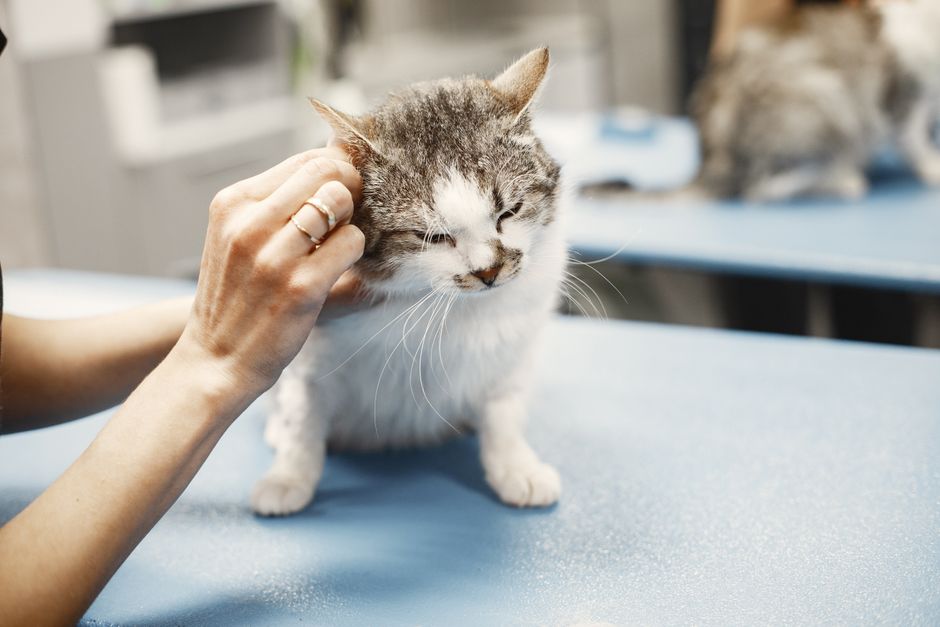
While some shedding is completely normal, especially for breeds with double coats or longer fur, excessive hair loss or any change in your pet’s usual grooming habits deserves attention. Allergic reactions can also look different from pet to pet. Some dogs develop hot spots or lose fur in certain areas, while others may have runny noses or respiratory symptoms. Cats often show allergies through over-grooming, leading to thin or patchy coats. If you’re unsure whether your pet’s symptoms are typical or a sign of something more, it’s best to keep track of any changes and discuss them with our veterinarians during your next visit.
Why Do Pets Shed and Experience Allergies in February?
Understanding why your pet is shedding or showing signs of allergies can help you respond appropriately and minimize discomfort for everyone in your household. As days get longer and temperatures slowly rise in Westlake Village, many pets naturally begin to lose their thicker winter coats in preparation for spring. This seasonal molt is especially pronounced in breeds suited for colder climates, but even short-haired pets can shed noticeably more.
Allergies become more common as outdoor pollen and other environmental triggers increase. Pet allergies can be caused by a range of factors, including pollen from blooming plants, dust mites, mold, and even certain foods. Some pets are genetically predisposed to allergies, while others may develop sensitivities over time. In addition, indoor heating used during the winter months can dry out skin, making pets more susceptible to irritation just as spring allergens become more prevalent.
For some pets, underlying medical issues such as hormonal imbalances, skin infections, or parasites can also contribute to shedding and allergic reactions. That’s why it’s important to have our veterinary professionals examine your pet if you notice anything unusual. We can help determine whether your pet’s symptoms are part of a normal seasonal process or if further evaluation is needed.
Professional Diagnosis and Treatment at Townsgate Pet Hospital
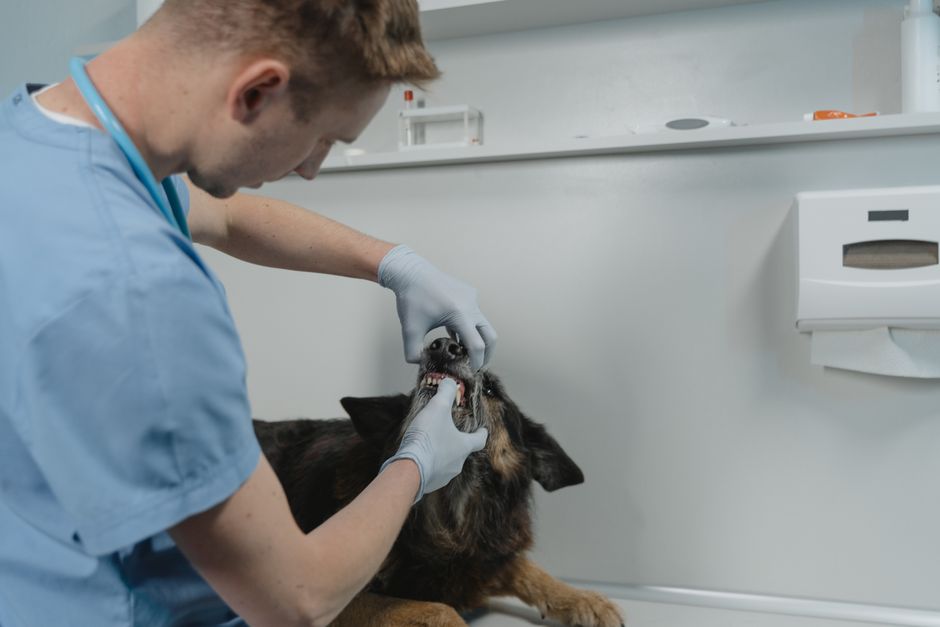
When shedding or allergy symptoms become concerning, Townsgate Pet Hospital offers a wide range of diagnostic and treatment options to get to the root of the problem. During your pet’s wellness examination, our veterinarians will assess coat quality, skin health, and overall wellbeing to identify any underlying causes. Our comprehensive pet exam includes a thorough review of your pet’s history and an evaluation of any changes you’ve observed at home.
If allergies are suspected, our veterinary team may recommend allergy testing to pinpoint specific triggers. This helps us develop a personalized management plan, which could involve changes to your pet’s environment, specialized diets, or targeted therapies. For pets with ongoing skin issues, our dermatology services provide advanced care for everything from itching and redness to more complex skin conditions. In-house diagnostics such as skin scrapings, cytology, and laboratory testing allow us to quickly identify infections, parasites, or other contributing factors.
Treatment approaches for allergy-related symptoms may include medicated shampoos, anti-itch medications, dietary adjustments, or supplements to support skin and coat health. For pets experiencing excessive shedding due to medical conditions, our veterinarians will tailor a treatment plan to address the underlying issue, whether it’s hormonal, infectious, or related to nutrition. Our goal is always to restore your pet’s comfort and keep their coat healthy and vibrant.
Home Care Tips for Managing Shedding and Allergies
There’s a lot you can do at home to help your pet through the shedding season and minimize allergy symptoms for both pets and people. Regular grooming is one of the most effective ways to control loose fur and keep your pet comfortable. Brushing your dog or cat several times a week removes dead hair before it ends up on your furniture and stimulates healthy skin. For long-haired breeds or pets with thick undercoats, using a de-shedding tool can make a noticeable difference.
Bathing your pet with a gentle, hypoallergenic shampoo can help remove allergens from their fur and soothe irritated skin, but always check with our veterinarians before introducing any new grooming products. Keeping your home clean by vacuuming frequently, washing pet bedding, and using air purifiers can reduce the build-up of pet hair and airborne allergens. For pets with food sensitivities, following a veterinarian-recommended diet is essential for supporting skin and coat health.
If your pet is prone to allergies, limiting outdoor activities during high pollen times and wiping down their paws and coat after walks can help reduce exposure to environmental triggers. Monitoring for signs of irritation, such as excessive scratching or licking, allows you to intervene early and prevents symptoms from worsening. Remember that while routine care can make a big difference, persistent or severe symptoms should always be addressed by our veterinary team.
When to Seek Veterinary Care for Shedding or Allergies
While some shedding and mild allergy symptoms are to be expected this time of year, certain situations call for prompt veterinary attention. If your pet is losing fur in large patches, developing bald spots, or has skin that looks red, swollen, or infected, it’s important to schedule an appointment with our veterinarians as soon as possible. Other warning signs include persistent scratching that leads to open sores, chronic ear infections, frequent vomiting or diarrhea, or any sudden change in behavior.
Pets with underlying health conditions, young puppies or kittens, and senior pets are especially vulnerable to complications from allergies or skin issues. Early intervention can prevent discomfort and help avoid more serious problems down the road. At Townsgate Pet Hospital, our veterinary professionals are dedicated to providing the highest level of care for every pet, from routine check-ups to advanced diagnostics. If you ever feel uncertain about your pet’s symptoms, our team is here to guide you and answer your questions.
Supporting Your Pet’s Health All Year Long
Shedding and seasonal allergies can be challenging, but with the right support, your pet can stay healthy and comfortable no matter the season. The veterinarians at Townsgate Pet Hospital are proud to serve Westlake Village and surrounding communities with personalized, compassionate care. We encourage you to schedule a wellness examination or discuss any concerns about your pet’s skin and coat with our team. For comprehensive allergy evaluations, expert dermatology care, and in-house diagnostics, you can rely on our veterinary professionals to help your pet feel their best.
If you’re searching for a trusted "vet near me" in Westlake Village, let Townsgate Pet Hospital be your first choice for year-round pet care. To schedule an appointment or speak with our veterinary team, call (805) 230-1999 today or visit us at 2806 Townsgate Road Suite C, Westlake Village, CA 91361. You can also learn more about our allergy testing, dermatology services, or schedule a comprehensive pet exam online. Our mission is to support the wellbeing of every pet and provide peace of mind for every owner, so you and your furry family members can enjoy every season together.
This blog is intended for informational purposes only and does not replace professional veterinary care. If your pet is experiencing severe symptoms or you have urgent concerns, please contact our veterinary professionals directly for guidance.