Winter Wellness: January Pet Care Tips for Westlake Village


Winter Wellness: January Pet Care Tips for Westlake Village
As the new year begins and winter brings its cooler, sometimes damp days to Westlake Village, pet owners often wonder how to keep their furry companions happy and healthy. While Southern California winters are mild compared to much of the country, temperature drops, increased rainfall, and changes in routine can still impact your pet’s health and comfort. At Townsgate Pet Hospital, our team of veterinarians knows the unique needs of pets in the Westlake Village and surrounding communities. We’re here to share practical, veterinarian-approved tips for January pet care, so you and your pet can enjoy this season together in good health.
In this blog, we’ll guide you through the most important aspects of winter wellness for cats and dogs in our region. You’ll learn how to spot seasonal health concerns, understand why they arise, and discover at-home steps you can take to keep your pet thriving. We’ll also highlight how our comprehensive veterinary services at 2806 Townsgate Road Suite C, Westlake Village, CA 91361, such as wellness examinations, dermatology, nutrition counseling, and more, can provide extra peace of mind during the winter months. Let’s explore how you can make January a month of comfort and health for your beloved pet.
Recognizing Seasonal Health Concerns in Your Pet
Even in a milder climate like Westlake Village, pets experience subtle changes in health and behavior during winter. Some of the most common signs your pet may be affected by the season include increased scratching or dry, flaky skin, which often becomes more noticeable as indoor heating dries the air. You might notice your dog or cat is less willing to go outside, hesitates at the door, or seems stiff after naps—these can indicate joint discomfort, especially in older pets.
Other symptoms to watch for are changes in appetite, increased thirst, lethargy, or sudden weight gain from reduced activity. Some pets develop a dull or shedding coat, while others display dental discomfort as colder air exacerbates oral sensitivity. For pets with allergies, the shift in environmental conditions may cause flare-ups, visible as red skin, excessive licking, or ear irritation. If you notice any of these changes, it’s a good idea to monitor your pet closely and consider whether a comprehensive pet exam might be beneficial to catch seasonal issues early.
What Causes Winter Pet Health Issues in Southern California?
Although we may not face snow or ice, several factors combine to challenge pet wellness during winter in Westlake Village and surrounding communities. Cooler temperatures and rain can limit outdoor activity, leading to decreased exercise and potential weight gain. Drier indoor air from heaters or closed windows often causes skin and coat problems, particularly in breeds prone to sensitive skin.
Joint stiffness tends to worsen in older pets or those with arthritis during colder months, making movement less comfortable. Additionally, the festive season and new year celebrations may introduce richer foods or unfamiliar treats that can upset your pet’s digestive system. Reduced sunlight hours may also affect mood or energy levels, sometimes contributing to mild lethargy or changes in behavior.
For pets with pre-existing health concerns, such as allergies, chronic skin conditions, or dental disease, winter can aggravate symptoms. Fluctuating humidity, increased exposure to indoor allergens, and changes in grooming routines all play a role. Understanding these causes allows you to anticipate your pet’s needs and support their health with proactive care.
How Local Climate Plays a Role
While our winters are generally gentle, sudden rainfall or chilly mornings can still catch pets off guard. For instance, damp fur after a walk in the rain can lead to skin irritations if not dried properly. Likewise, puddles may expose your pet to parasites or bacteria, especially in areas frequented by wildlife. Recognizing the impact of our local climate, even if it seems minor, is essential for effective winter pet care.
Supporting Your Pet’s Health: Professional Care and Home Management
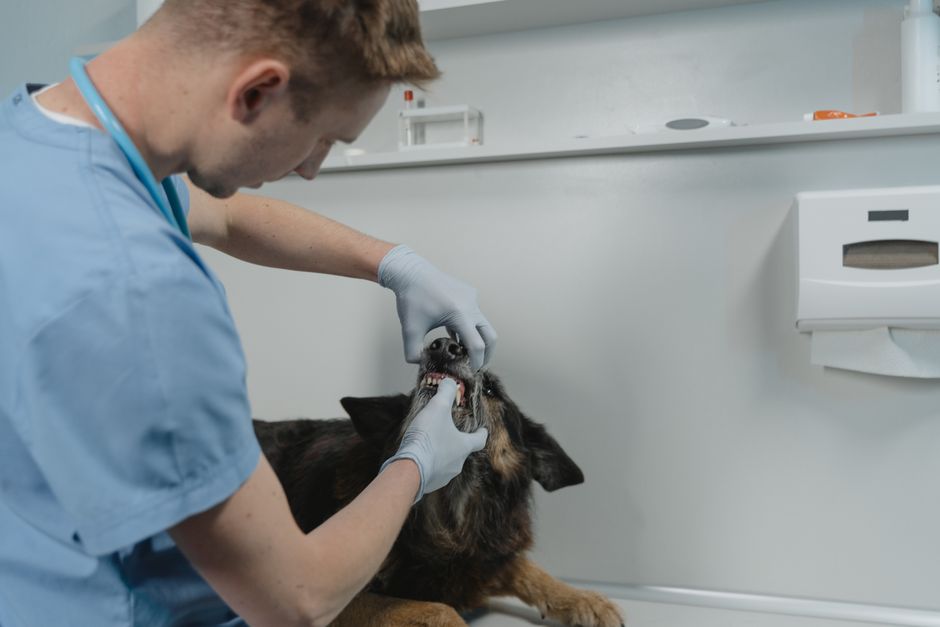
At Townsgate Pet Hospital, we believe that winter wellness starts with a combination of professional veterinary care and attentive home management. Scheduling a wellness examination is one of the most effective ways to detect early signs of seasonal health changes. During your visit, our veterinary team can perform a thorough assessment, check for skin, coat, and joint issues, address any dental discomfort, and discuss nutritional needs adapted to your pet’s winter routine.
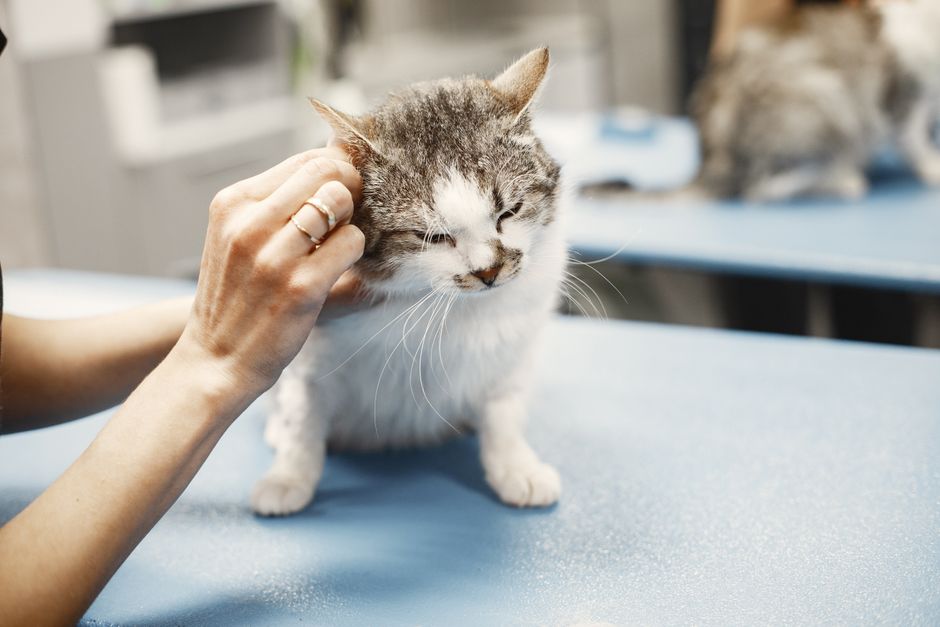
For pets with chronic skin or allergy conditions, our dermatology services provide targeted care to manage flare-ups and recommend appropriate grooming or bathing routines. If you notice persistent itchiness, red patches, or dull fur, a dermatology consultation can help identify the underlying cause and offer relief.
Winter is also an ideal time to review your pet’s diet. Reduced activity may call for adjustments in caloric intake, and drier air can increase the need for hydration. Our nutritional counseling services help you choose the right food, treats, and supplements to support healthy weight and skin during the season.
For senior pets, winter can intensify joint discomfort or mobility challenges. Our team offers dedicated senior pet care, including tailored exercise recommendations, pain management, and monitoring for age-related conditions. If your pet seems stiff, reluctant to move, or slow to rise, a veterinary evaluation can ensure their comfort throughout the colder months.
Additionally, maintaining oral health remains important year-round. Schedule a dental check or cleaning if you notice signs of bad breath, drooling, or reluctance to chew, as winter air can make dental discomfort more pronounced.
Home Care Strategies for a Healthy Winter
While professional veterinary services set the foundation for your pet’s wellness, daily home care makes a tremendous difference during winter. Regular indoor playtime is essential when outdoor walks are shortened by rain or chilly mornings. Try rotating toys, engaging in new games, or using food puzzles to keep your pet mentally and physically stimulated.
Keep your pet’s bedding clean, dry, and away from drafty areas. After outdoor adventures, dry your pet thoroughly with a soft towel, focusing on paws, belly, and ears to prevent moisture buildup that can lead to skin issues. Frequent brushing is especially helpful in winter to distribute natural oils and remove loose fur, supporting a shiny, healthy coat. For pets with longer hair, gentle grooming can also prevent matting and keep them comfortable.
Hydration is often overlooked in cooler weather, but pets still need plenty of fresh water. Place water bowls in accessible spots and clean them regularly to encourage drinking. Monitor your pet’s food intake, adjusting portion sizes as activity levels change to prevent unwanted weight gain. If you are uncertain about your pet’s ideal diet this season, a nutritional counseling appointment can offer personalized guidance.
For pets with sensitive or dry skin, consider using a humidifier in common areas. This helps maintain air moisture and may reduce itching or static in your pet’s coat. Always use pet-safe products for bathing and grooming; avoid over-bathing, as this can strip natural oils and worsen dryness.
If your pet is older or has arthritis, provide extra bedding for cushioning and try gentle, low-impact exercises indoors. Ask your veterinarian about supplements or medications that can support joint health during winter, and watch for any changes in mobility or behavior that could indicate discomfort.
When Should You Call Your Veterinarian?
While many seasonal pet care needs can be managed at home, there are important situations where professional veterinary attention is needed. Schedule a veterinary appointment if your pet shows persistent or worsening symptoms such as constant scratching, red or inflamed skin, hair loss, limping, stiffness that does not improve, decreased appetite, excessive thirst, vomiting, diarrhea, or sudden weight changes. Dental pain, visible swelling, or bad breath that lingers also merit a professional assessment.
Pets with chronic health conditions, senior pets, or those recovering from surgery may need closer monitoring during winter. If you have concerns about their comfort, energy levels, or response to the colder weather, our veterinary team is ready to help. For any questions about winter wellness, don’t hesitate to reach out for guidance or to schedule a checkup.
In some cases, unexpected injuries can occur, such as slipping on wet surfaces or ingesting harmful substances found during winter walks. If your pet experiences an acute injury, severe lethargy, difficulty breathing, or any sudden and serious symptoms, seek immediate veterinary care.
Trust Townsgate Pet Hospital for Winter Wellness in Westlake Village
Taking a proactive approach to winter pet care ensures your furry family member enjoys a comfortable, healthy start to the year. By recognizing seasonal health changes, understanding what causes them, and partnering with your local veterinary professionals, you can prevent common issues and support your pet’s wellbeing throughout January and beyond.
If you are searching for a trustworthy "vet near me" in Westlake Village, Townsgate Pet Hospital is committed to providing compassionate, comprehensive care for pets of all ages. We encourage you to schedule an appointment for a wellness examination, consult with our team about nutritional counseling, or explore our dermatology services for skin and coat health. Our veterinarians are dedicated to helping your pet thrive during every season.
To schedule your pet’s winter wellness visit or ask about specific concerns, call us at (805) 230-1999 or stop by our convenient location at 2806 Townsgate Road Suite C, Westlake Village, CA 91361. With expert guidance, preventive services, and a caring approach, Townsgate Pet Hospital is here to support you and your pet every step of the way this winter.
This blog is intended for informational purposes only and should not replace professional veterinary advice. If you have concerns about your pet’s health, please consult with your veterinarian.