Recognizing Pain in Dogs and Cats: Subtle Signs Pet Owners Miss


Recognizing Pain in Dogs and Cats: Subtle Signs Pet Owners Miss
As devoted pet owners, we want nothing more than to see our dogs and cats happy, comfortable, and healthy. Yet, one of the most challenging parts of caring for our pets is recognizing when they are in pain. Animals have evolved to hide discomfort as a survival instinct, and this means pain is often subtle, overlooked, or mistaken for normal aging or behavioral changes. At Townsgate Pet Hospital, located in the heart of 2806 Townsgate Road Suite C, Westlake Village, CA 91361, our veterinary team is committed to helping you spot these often-missed signs of pain in pets before they impact your companion's quality of life.
In this guide, we'll explore the subtle signs of pain in dogs and cats, what causes discomfort, and how our comprehensive veterinary services in Westlake Village and surrounding communities can help your pet find relief. If you have ever searched for a "vet near me" because you're concerned about your pet's discomfort, this blog will offer clarity and actionable steps. We will also highlight when it's critical to schedule a wellness examination with our experienced veterinarians to identify underlying issues early and ensure a happier, healthier life for your pet.
Subtle Signs of Pain in Pets: What to Watch For
Dogs and cats rarely cry out when they hurt. Instead, pain often manifests through changes in behavior, activity, or routine. Recognizing these pet discomfort symptoms is vital for early intervention.
Behavioral Changes: Personality Shifts and Withdrawal
One of the first signs of pain in pets is a change in temperament. Pets that are usually outgoing may become withdrawn or irritable. For example, a dog that once greeted you enthusiastically at the door may seem less interested in interaction, while a cat that enjoyed cuddles may suddenly hide or avoid being touched. Increased vocalization such as whining, meowing, or growling can also signal distress, especially if it occurs during handling or movement.
Changes in Movement and Activity
Pain often leads to a decrease in activity. You might notice your dog is reluctant to go for walks, hesitates to jump onto furniture, or struggles with stairs. For cats, you may see a reluctance to climb or jump, or a preference for lower perches. Subtle limping, favoring one leg, or stiffness after resting are important pet discomfort symptoms that should not be ignored.
Grooming and Appearance
Overgrooming or neglecting grooming can both signal discomfort. Cats, in particular, may excessively lick a painful area or, conversely, stop grooming altogether, leading to a dull or matted coat. Dogs might chew at their paws or joints, or show sensitivity when touched in specific spots.
Eating, Drinking, and Elimination Changes
A sudden decrease in appetite, reluctance to chew, dropping food, or changes in water consumption may point to oral pain or internal discomfort. Changes in urination or defecation habits, such as house soiling or straining, can also be linked to pain.
Subtle Physical Signs
Look for physical clues such as trembling, increased heart rate, rapid breathing, or panting that is not related to heat or exercise. Other signs include dilated pupils, flattened ears, and a tense body posture. These signs may be fleeting, so it is important to observe your pet carefully and consistently.
If you notice any of these symptoms in your pet, it is always a good idea to discuss them during a comprehensive pet exam, as subtle pain can progress to more serious health issues if left unaddressed.
Why Pets Hide Pain: Understanding the Causes
Understanding why pets hide pain can help you recognize the importance of early detection. Dogs and cats instinctively mask pain to avoid appearing vulnerable to predators. This evolutionary trait is still present, even in our well-loved companions.
Common Causes of Pain in Pets
Pain in dogs and cats can arise from a variety of sources. Orthopedic conditions such as arthritis, hip dysplasia, or ligament injuries are common, especially in aging pets. Dental disease is another major contributor; problems like broken teeth, gum disease, or oral infections can cause chronic discomfort. Internal health concerns, such as urinary tract infections, gastrointestinal issues, or organ disease, may result in subtle but persistent pain.
Injuries from accidents, rough play, or underlying medical conditions can also be culprits. Senior pets are especially prone to age-related changes that cause pain, making routine senior pet care in Westlake Village essential for early detection and management.
Environmental and Emotional Factors
Sometimes, pain can develop after changes in a pet's environment or routine. Moving homes, new family members, or even shifts in weather can exacerbate chronic conditions. In Westlake Village, seasonal allergies or the dry local climate can trigger skin discomfort, leading to excessive licking or scratching.
Professional Treatment and Pain Management Options
When it comes to addressing pain, professional veterinary care is essential for both diagnosis and management. At Townsgate Pet Hospital, our veterinarians use advanced in-house diagnostics to accurately identify the source of your pet's discomfort.
Diagnostic Approaches
Pinpointing the cause of pain often involves a stepwise approach. A thorough physical examination is the starting point. Our team may recommend additional diagnostics, such as veterinary ultrasound diagnostic services or diagnostic digital radiology, to visualize internal organs, joints, or bones for hidden injuries or disease.
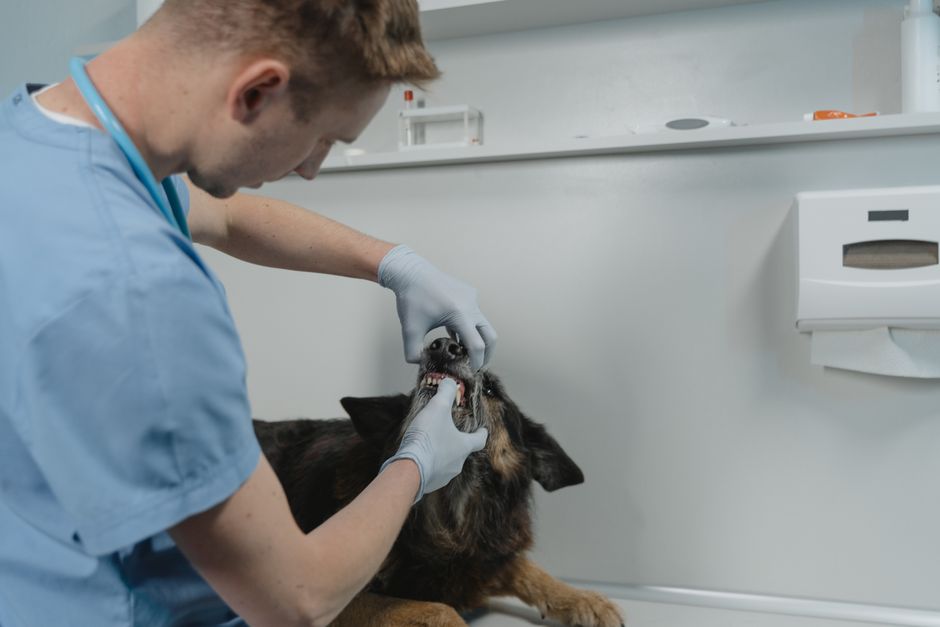
For pets with suspected dental pain, a focused oral examination might reveal issues requiring intervention. In some cases, advanced dental care or tooth extractions become necessary, and our veterinarians are equipped to provide these treatments with your pet's comfort as the top priority.
Pain Management Strategies
Once the source of pain is identified, treatment options vary based on the underlying cause. Management may include medications such as anti-inflammatories or pain relievers, always prescribed and monitored by your veterinarian for safety. For pets with chronic orthopedic pain, therapies such as weight management, joint supplements, and physical rehabilitation can offer lasting relief.
Surgical intervention may be recommended for severe injuries, advanced arthritis, or internal conditions that cannot be managed with medication alone. At Townsgate Pet Hospital, we offer a full range of surgical services, from orthopedic procedures to soft tissue surgery, to help restore your pet’s comfort and mobility.
For senior pets or those with ongoing discomfort, individualized pain management plans are developed to address specific needs and improve quality of life. Frequent re-evaluations and adjustments ensure that your pet remains comfortable as their needs change.
Preventing Pain and Supporting Your Pet at Home
While not all sources of pain can be prevented, there are proactive steps you can take to support your pet’s wellbeing and minimize discomfort.
Routine Veterinary Care
Scheduling regular exams is one of the most effective ways to detect pain early. Annual or biannual wellness examinations allow our veterinary team to monitor your pet’s health, identify risk factors, and catch subtle changes before they escalate. For older pets, more frequent visits may be recommended.
Home Monitoring and Environmental Support
Become familiar with your pet’s normal behaviors and routines, as this makes it easier to detect changes that may indicate pain. Provide comfortable bedding, maintain a healthy weight, and encourage gentle exercise tailored to your pet’s abilities. For pets with mobility challenges, ramps or non-slip mats can reduce strain and prevent injury.
Oral hygiene is also important. Regular dental care at home, combined with professional dental care and cleaning in Westlake Village, helps prevent painful dental disease. Monitor your pet’s appetite, grooming habits, and energy level. Any persistent changes should prompt a conversation with your veterinarian.
Emotional and Social Wellbeing
Pain and stress can be closely linked. Ensuring your pet feels safe, supported, and mentally stimulated can help reduce anxiety that may exacerbate discomfort. Interactive toys, gentle affection, and a stable routine all contribute to emotional wellness.
When to Seek Veterinary Care: Knowing When to Act
It is always better to err on the side of caution when it comes to your pet’s comfort. Immediate veterinary attention is warranted if you observe persistent limping, vocalization, refusal to eat or drink, noticeable swelling, open wounds, or sudden behavioral changes. These symptoms may indicate acute pain or serious underlying health concerns.
If your pet has a chronic medical condition or is a senior, schedule regular checkups to manage pain proactively. Any new or worsening pet discomfort symptoms should be discussed with our veterinary team as soon as possible. Remember, only a trained veterinarian can accurately diagnose and treat the source of your pet’s pain.
For those searching for "quality veterinary services near me," Townsgate Pet Hospital in Westlake Village is dedicated to providing advanced pain assessment, compassionate care, and ongoing support for your pet’s health.
Compassionate, Comprehensive Pain Care at Townsgate Pet Hospital
Recognizing the subtle signs of pain in pets can make all the difference in ensuring a long, happy life for your furry companion. At Townsgate Pet Hospital, our veterinarians are here to help you every step of the way, from early detection to ongoing management. We encourage you to schedule a wellness examination if you notice any changes in your pet’s behavior, activity, or health.
Your pet deserves the best care available, and our veterinary professionals are committed to providing it right here in Westlake Village and surrounding communities. Whether you are seeking pet diagnostic laboratory services in Westlake Village, advanced pain management, or simply want the peace of mind that comes with a trusted "vet near me," we are ready to help.
To learn more about how we can support your pet’s comfort and health, or to schedule an appointment, please call us at (805) 230-1999 or visit our clinic at 2806 Townsgate Road Suite C, Westlake Village, CA 91361. Our compassionate veterinary team is here to answer your questions and provide the quality care your pet deserves.
This blog is intended for informational purposes only and does not substitute for professional veterinary advice. If you have concerns about your pet's health or suspect they may be in pain, please consult with a veterinarian promptly.