Springtime Pet Wellness Tips for Westlake Village


Springtime Pet Wellness Tips for Westlake Village
As March arrives in Westlake Village, the days get longer and temperatures begin to climb, bringing a renewed sense of energy to both people and their pets. Spring is a wonderful time to enjoy longer walks, outdoor adventures, and the blossoming beauty of Southern California. However, the season also brings unique health considerations for pets, from allergies and parasites to changes in activity levels and dietary needs. At Townsgate Pet Hospital, located at 2806 Townsgate Road Suite C, Westlake Village, CA 91361, our team of veterinarians is dedicated to helping you prepare your pet for a healthy, happy spring. In this guide, we’ll discuss how to recognize seasonal health issues, what causes them, how they can be treated or managed, and the best steps you can take at home. You’ll also learn when to schedule a professional wellness exam and how our veterinary team supports pets in Westlake Village and surrounding communities throughout the changing seasons.
Spotting Springtime Pet Health Concerns
As the landscape changes in Westlake Village, so do the risks that can affect your pet’s well-being. Springtime introduces new allergens, increased exposure to pests, and environmental hazards that may not be as prevalent during the cooler months. Recognizing the signs of spring-related health issues early can make a significant difference in your pet’s comfort and overall health.
Common symptoms that may indicate seasonal problems include frequent scratching, biting, or licking at the skin. You might also notice sneezing, watery eyes, or a runny nose, which are often signs of allergies. If your dog or cat suddenly loses interest in food, becomes lethargic, or starts coughing, these can signal underlying issues such as respiratory infections or heartworm disease. Additionally, pets that spend more time outdoors may be at higher risk for flea and tick infestations; excessive skin irritation or the presence of small, dark specks in your pet’s fur are warning signs to watch for.
Another concern unique to spring is the increased use of fertilizers and pesticides in gardens and parks. Pets that ingest grass, plants, or water contaminated with these chemicals may develop gastrointestinal upset, drooling, or more serious symptoms such as vomiting and seizures. Early recognition of these issues is essential for a prompt recovery, so always keep an eye out for any changes in your pet’s behavior or appearance as the seasons change.
Why Spring Brings New Wellness Challenges for Pets
Understanding why pets experience more health challenges in spring helps owners take proactive steps to prevent problems before they start. Warmer weather encourages the growth of plants and trees, which in turn increases pollen levels in the air. Pets, especially those with existing sensitivities, may develop seasonal allergies, resulting in skin and respiratory symptoms. In Westlake Village, the mild Mediterranean climate means that certain pollens can be present much earlier in the year compared to other regions, increasing the window of exposure for sensitive animals.
The rise in temperature and rainfall also creates the perfect breeding ground for fleas, ticks, and mosquitoes. These pests are more than just a nuisance; they can transmit diseases such as Lyme disease and heartworm, both of which are prevalent in Southern California. As pets become more active outdoors, the risk of encountering these parasites increases.
Spring also coincides with changes in your pet’s routine. Longer daylight hours and pleasant temperatures mean more time spent outside, which can lead to increased activity levels. While this is generally beneficial, it can sometimes result in injuries, especially in older pets or those not accustomed to vigorous exercise. Additionally, a sudden change in activity or diet can lead to digestive issues, weight fluctuations, or exacerbation of chronic conditions.
Gardening activities, spring cleaning, and home improvement projects often introduce new chemicals and hazards into the environment. Curious pets may ingest or come into contact with substances that can cause harm, from cocoa mulch and certain spring bulbs to antifreeze and paint products. Being aware of these seasonal risks helps pet owners create a safer environment for their companions.
How Townsgate Pet Hospital Treats and Manages Springtime Health Issues
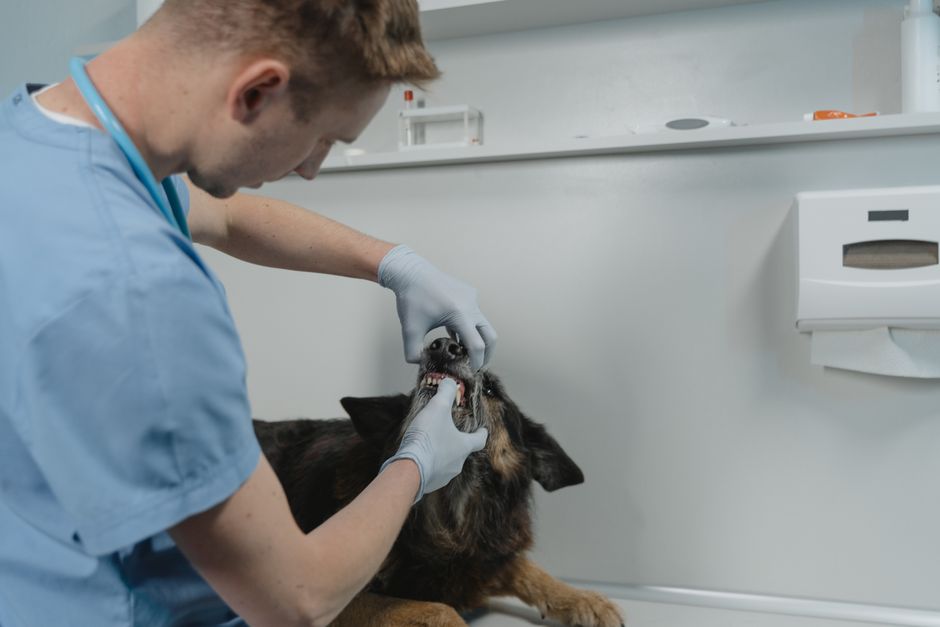
When you bring your pet to Townsgate Pet Hospital for a spring wellness visit, our veterinary team takes a comprehensive approach to seasonal health. We begin with a thorough examination to check for signs of allergies, skin irritation, ear infections, and early indicators of tick or flea infestations. If your pet is exhibiting respiratory symptoms or changes in energy, our in-house diagnostic capabilities, including lab testing and ultrasound, allow us to quickly identify the underlying cause.
For pets suffering from allergies, our veterinarians may recommend allergy testing to determine specific triggers. Treatment options involve antihistamines, medicated shampoos, or dietary changes tailored to your pet’s needs. In cases of severe itching or skin infections, we may prescribe topical medications or, if needed, oral treatments to reduce discomfort and inflammation.
Parasite prevention is a key part of springtime wellness. We advise starting or continuing a year-round flea, tick, and heartworm prevention plan, as these pests are active in Westlake Village throughout much of the year. Our team offers heartworm testing to ensure your pet is protected before beginning or updating preventive medications.
If your pet is more active in the spring, we assess their musculoskeletal health and may discuss orthopedic or pain management strategies for pets with arthritis or prior injuries. We also offer nutritional counseling to support healthy weight and energy levels as your pet’s routine evolves with the season.
Our veterinarians are experienced in addressing accidental exposures to toxins, providing immediate care and guidance if your pet ingests something harmful. Spring is also an ideal time for a wellness examination, during which we update vaccinations, review your pet’s health history, and answer any questions you may have about seasonal risks.
Preventive Steps and Home Care for a Healthy Spring
Taking proactive steps at home goes a long way in supporting your pet’s health during springtime. Regular grooming and bathing help remove pollen, dirt, and parasites from your pet’s coat, reducing the risk of skin irritation and infestations. If your pet has a history of allergies, wiping their paws and fur after outdoor activities can minimize allergen exposure.
Maintaining a tidy yard and home environment is essential. Remove standing water to discourage mosquito breeding, mow grass regularly, and keep bushes trimmed to reduce tick habitats. Store fertilizers, pesticides, and gardening supplies in secure locations out of your pet’s reach, and be cautious with products used in areas where your pet plays or explores.
A gradual increase in exercise is beneficial for pets resuming outdoor activities after a more sedentary winter. Start with shorter walks and play sessions, allowing your pet’s muscles and joints to adjust. Monitor for any signs of stiffness, limping, or reluctance to move, which may warrant a veterinary evaluation.
Proper nutrition is the foundation of good health. As your pet’s activity level changes, you may need to adjust their diet to prevent weight gain or loss. Our nutritional counseling services provide tailored recommendations based on your pet’s age, breed, and lifestyle.
Stay up to date on preventive medications for fleas, ticks, and heartworm, following your veterinarian’s guidance for the best products and dosing schedules. If you’re unsure which preventives are right for your pet, our team is happy to discuss options during your next visit.
When to Schedule a Veterinary Visit for Springtime Concerns
Knowing when to seek professional veterinary care is vital for keeping your pet comfortable and healthy as spring unfolds. If you notice persistent or worsening symptoms such as constant scratching, hair loss, red or inflamed skin, sneezing, coughing, or changes in appetite, it’s important to schedule an appointment with our veterinary team. Sudden lethargy, difficulty breathing, persistent vomiting, or signs of pain signal the need for immediate attention.
Routine spring wellness exams are highly recommended, even if your pet appears healthy. These visits allow our veterinarians to detect hidden issues early, update vaccinations, and provide guidance on seasonal risks specific to Westlake Village and surrounding communities. Scheduling your pet’s annual or semi-annual checkup ensures they are protected against parasites, allergies, and other springtime threats.
If your pet is traveling with you this spring or summer, ask our team about health certificate services to meet travel requirements and keep your pet safe on the road.
Recognizing Emergency Situations
While most springtime health issues can be managed with preventive care and timely treatment, certain situations require urgent veterinary attention. Exposure to toxic plants, fertilizers, or pesticides, severe allergic reactions, or sudden collapse should prompt an immediate call to our hospital or the nearest emergency facility. Never wait or attempt home remedies for serious symptoms; prompt intervention can be life-saving.
Your Partner in Spring Pet Wellness in Westlake Village
As you and your pet embrace the joys of spring in Westlake Village, remember that a little prevention goes a long way toward ensuring a season filled with health and happiness. By staying alert to seasonal risks, maintaining a safe environment, and scheduling a comprehensive wellness exam, you set your pet up for vibrant days ahead. Our team of veterinarians at Townsgate Pet Hospital is here to answer your questions, provide expert care, and support your pet’s unique needs all year long.
If you are searching for a compassionate "vet near me" who understands the needs of pets in Westlake Village and surrounding communities, look no further. Schedule your pet’s spring wellness check or discuss any seasonal health concerns by calling (805) 230-1999 or visiting us at 2806 Townsgate Road Suite C, Westlake Village, CA 91361. You can also explore our full range of veterinary services to see how we can help your pet thrive this spring and beyond.
Disclaimer: The information provided in this blog is for educational purposes only and should not replace professional veterinary advice. If you have concerns about your pet’s health, please contact a veterinarian for personalized care.