April Dental Health Checks for Westlake Village Pets


April Dental Health Checks for Westlake Village Pets
Every spring, many pet owners in Westlake Village and surrounding communities begin to notice their pets’ breath has become a little less pleasant, or perhaps their beloved dog or cat is eating more slowly than usual. Dental health is easy to overlook, but it plays a crucial role in your pet’s overall wellbeing. At Townsgate Pet Hospital, conveniently located at 2806 Townsgate Road Suite C, Westlake Village, CA 91361, our veterinarians are here to help you keep your pet’s mouth healthy and pain-free—especially during our April dental health check season.
This blog will help you understand the warning signs of dental disease in pets, explain why dental problems develop, discuss how professional dental care can benefit your pet, and offer practical home care advice for year-round oral health. If you are unsure whether your pet’s dental habits or breath are normal, or if you are interested in our spring dental cleaning specials, you will find everything you need to know right here. For more information on our dental services, including cleaning and advanced procedures, you can also visit our page on Dental Care and Cleaning services for pets.
Recognizing Dental Problems in Your Pet
Pets are experts at hiding discomfort, but dental disease is one of the most common and overlooked health issues seen by our veterinary professionals. Understanding the signs can help you act early and prevent unnecessary pain for your pet.
Key symptoms of dental problems in dogs and cats include persistent bad breath that does not improve with diet changes, visible tartar or yellow-brown buildup on teeth, and red or swollen gums. Additional warning signs are drooling excessively, chewing on one side of the mouth, dropping food while eating, or reluctance to play with chew toys. In some cases, you might notice your pet pawing at their mouth, bleeding from the gums, or even swelling under the eyes or along the jawline, which could signal an abscess or infection. Behavioral changes such as irritability or withdrawal may also occur if your pet is experiencing dental pain.
It is important to remember that pets rarely stop eating entirely due to dental disease; instead, they adapt their behavior, which often leads owners to miss the early stages. If you notice any of these symptoms, even if they seem mild, it is wise to schedule a dental health check with our veterinary team for a thorough evaluation.
Why Pets Develop Dental Disease
Dental disease in pets is primarily caused by the gradual accumulation of plaque, a sticky film of bacteria that forms on the teeth after eating. Over time, plaque hardens into tartar, which irritates the gums and can lead to inflammation (gingivitis), infection, and eventually periodontal disease. This process is similar in both dogs and cats, and it can progress more rapidly in small breeds or pets with crowded teeth.
Diet plays a significant role in dental health; pets who eat only soft food or table scraps may be more prone to plaque buildup, as chewing on dry kibble or safe dental chews can help remove some debris. Genetics, age, immune system health, and certain medical conditions like diabetes can also make pets more susceptible to dental disease.
Westlake Village’s mild climate allows pets to spend plenty of time outdoors, where they may chew on sticks or other objects that can fracture teeth or introduce bacteria. Additionally, as pets age, their risk of developing dental problems increases, making regular dental checks an essential part of senior pet care.
Understanding the causes of dental disease helps highlight why preventive care is so important. Left untreated, dental problems can lead to chronic pain, tooth loss, and even affect the heart, kidneys, and liver as bacteria from the mouth enter the bloodstream.
Professional Dental Care: What to Expect
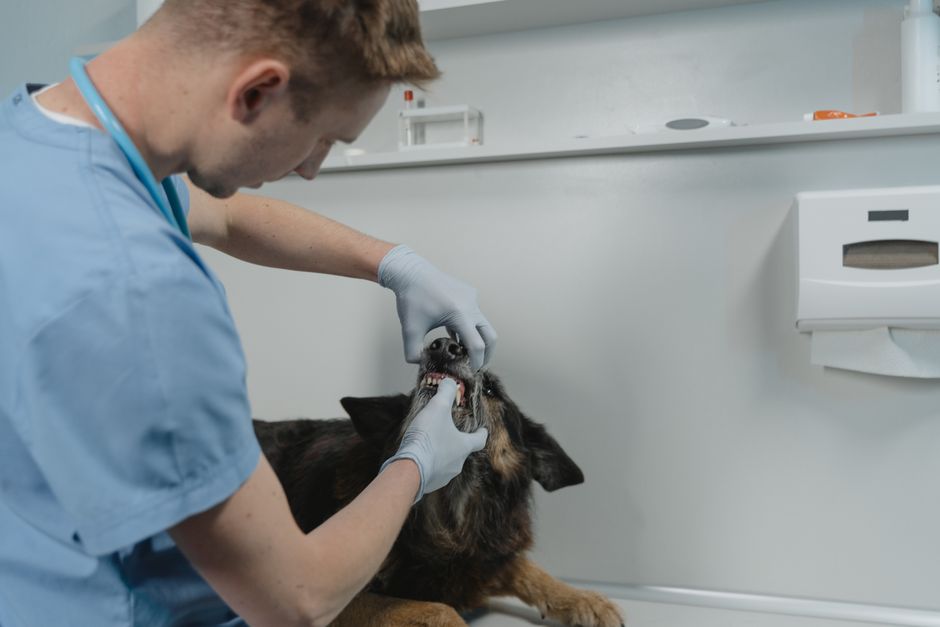
When you bring your pet to Townsgate Pet Hospital for a dental health check, our team of veterinarians begins with a comprehensive oral examination. We look for signs of tartar, gingivitis, fractured or loose teeth, oral growths, and other abnormalities. If dental disease is suspected, we may recommend a professional dental cleaning under anesthesia to thoroughly clean above and below the gumline—something that is impossible to achieve with brushing alone.
Our dental care and cleaning services are performed with your pet’s comfort and safety as our top priorities. During the procedure, we remove all plaque and tartar, polish the teeth to smooth the enamel, and check for any pockets of infection or tooth root exposure. Digital dental x-rays may be used to assess the health of tooth roots and underlying bone, which is especially important for identifying hidden problems.
If diseased or damaged teeth are found, our veterinarians may recommend extraction to relieve pain and prevent further infection. We offer advanced services like pet tooth extractions and teeth extractions, as well as pet oral surgery and dental surgery for more complex cases. All procedures are performed with attentive monitoring and pain management so your pet recovers comfortably.
After a professional cleaning, most pets experience fresher breath, improved appetite, and a return to their energetic selves. Regular dental care can add years to your pet’s life and significantly reduce the risk of serious health complications.
Home Dental Care and Prevention Strategies
While professional cleanings are essential, ongoing home care is the foundation of dental health. Brushing your pet’s teeth daily with a pet-safe toothpaste is the gold standard, but even brushing a few times a week can make a difference. Training your dog or cat to accept brushing can be a gradual process; start by letting them taste the toothpaste, then gently introduce the toothbrush, always rewarding them with praise or a favorite treat.
In addition to brushing, providing dental chews or treats approved by the Veterinary Oral Health Council can help reduce plaque buildup. Some specially designed toys can also promote oral health by mechanically cleaning teeth as your pet chews. For cats and dogs who refuse brushing, dental wipes or water additives may offer some benefit, although they are not a substitute for brushing or professional care.
Feeding a high-quality diet, avoiding table scraps, and scheduling routine dental checks are all important steps in prevention. Your veterinarian can provide personalized recommendations based on your pet’s breed, age, and risk factors. Remember that early intervention is the best way to prevent painful dental disease and costly treatment down the road.
When to Schedule a Veterinary Dental Check
It can be difficult to judge when your pet’s dental issues require professional attention, but prompt action can prevent suffering and serious complications. If you notice persistent bad breath, visible tartar, red or bleeding gums, difficulty eating, swelling, or changes in behavior, it is time to schedule a dental evaluation. Even if your pet seems normal, annual dental checks are the best way to catch problems early; for senior pets or those with a history of dental disease, more frequent visits may be recommended.
Certain breeds, such as small dogs and flat-faced cats, have a higher risk of dental problems and benefit from more frequent monitoring. If you have adopted a new pet or moved to the Westlake Village area, an initial dental check is a great way to establish a baseline for future care.
If you are searching for a veterinarian near me that offers comprehensive dental services and personalized care, Townsgate Pet Hospital is here to help. Our team is always happy to answer your questions, demonstrate brushing techniques, or discuss the benefits of a professional dental cleaning for your pet.
Take the Next Step for Your Pet’s Smile
Dental health is a cornerstone of your pet’s overall wellbeing, and April is the perfect time to schedule a dental health check at Townsgate Pet Hospital. By recognizing early warning signs, understanding the causes of dental disease, and working with our experienced veterinary team, you can help your pet enjoy a pain-free, healthy mouth all year long.
Ready to take action? Call our veterinary professionals at (805) 230-1999 to schedule your pet’s dental evaluation or to ask about our current dental cleaning specials. You can also learn more about our dental care and cleaning services or read about our specialized dental cleaning promotions for even more ways to support your pet’s oral health this spring.
Our commitment is to provide compassionate, comprehensive care for pets in Westlake Village and surrounding communities. With routine dental health checks and attentive home care, you can ensure your pet’s smile stays bright for years to come. If you have any concerns or need guidance, our veterinarians are just a phone call away.
This article is intended for informational purposes only and does not replace professional veterinary advice. If you have concerns about your pet’s dental health, please schedule a consultation with your veterinarian.