April Parasite Prevention Tips for Westlake Village Pets

April Parasite Prevention Tips for Westlake Village Pets
As spring settles into Westlake Village and the days grow warmer, many pet owners find themselves asking how to best protect their furry companions from springtime threats like fleas, ticks, and heartworms. At Townsgate Pet Hospital, located in the heart of Westlake Village, CA, our veterinary team knows that April is a critical month for parasite prevention. With increased outdoor activity and rising temperatures, parasites become more active and risks to your pet’s health increase. That’s why our veterinarians are committed to providing comprehensive parasite prevention tailored to the unique needs of pets in our community.
In this blog, we’ll guide you through the early warning signs of parasite problems, help you understand why spring is a peak season for these threats, explore the most effective prevention strategies, and provide clear advice on when to seek professional veterinary care. Whether you’re worried about itchy skin, mysterious bites, or just want peace of mind, our goal is to help you enjoy a worry-free spring with your pet. We’ll also highlight how our services—including heartworm testing and pet examinations—can keep your pet safe and comfortable all season long.
How to Recognize Parasite Problems in Your Pet
Nothing is more distressing than seeing your pet uncomfortable or noticing changes in their health. Recognizing the signs of parasite issues early can make all the difference in treatment success and your pet’s long-term wellbeing.
For fleas, common symptoms include persistent scratching, biting at fur, or the appearance of small red bumps or hair loss, especially around the tail base and hindquarters. You may notice tiny black specks—often called flea dirt—in your pet’s coat or bedding. Ticks, on the other hand, sometimes go unnoticed until you find a small, dark bump on your pet’s skin; these parasites can attach anywhere, but are frequently found around the ears, neck, and between toes.
When it comes to heartworms, the signs are often subtle at first but can become serious quickly. Early symptoms in dogs may include a persistent cough, decreased energy, and weight loss. Cats may display coughing, vomiting, or even sudden collapse in advanced cases. Internal parasites like roundworms or hookworms can cause symptoms such as diarrhea, vomiting, pot-bellied appearance, and visible worms in the stool.
Dermatological reactions, such as inflamed or scaly skin, can also be a clue. If your pet is scratching more than usual, showing unexplained skin irritation, or developing unusual lumps, these could signal a parasite infestation. Always keep in mind that some pets, especially cats, may only show very subtle signs—so even small changes in behavior or appearance should prompt a closer look.
Why Spring in Westlake Village Is Prime Time for Parasites
Westlake Village and the surrounding communities enjoy a mild, Mediterranean climate, which means fleas, ticks, mosquitoes, and other parasites can thrive for much of the year. However, April brings a unique set of challenges. With temperatures rising and spring rains creating ideal breeding grounds, parasite populations can surge. Increased wildlife activity and more frequent trips to parks or hiking trails also raise the risk of exposure for local pets.
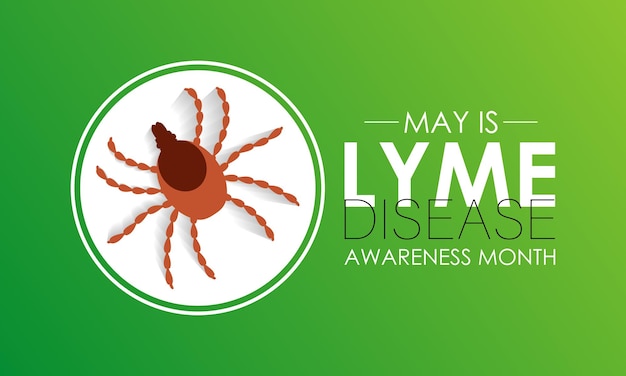
Fleas are particularly opportunistic, as their eggs and larvae can survive in shaded yards, leaf litter, and even carpeting within the home. Ticks are often found in wooded or grassy areas, latching onto pets who brush against low-hanging vegetation. Mosquitoes, the primary carriers of heartworm disease, become more prevalent as rainfall creates standing water in gardens, gutters, and ponds.
For households with multiple pets, the risk can multiply, as parasites can easily move between animals, especially when prevention is inconsistent. Even strictly indoor cats can be exposed to fleas and mosquitoes that hitch a ride indoors on clothing or through open windows. Understanding these local risk factors is the first step in protecting your pet this spring.
Professional Parasite Treatment and Prevention at Townsgate Pet Hospital
At Townsgate Pet Hospital, our veterinary team takes a proactive, comprehensive approach to parasite prevention and treatment. We understand that every pet’s risk profile is unique, which is why we offer personalized recommendations based on your pet’s age, lifestyle, and medical history.
Our veterinarians begin with a thorough physical examination, looking for any signs of active infestations or underlying health issues. If needed, we may suggest diagnostic tests such as skin scrapings, blood tests, or stool samples to identify specific parasites. For dogs and cats at risk of heartworm disease, heartworm testing is an essential part of the annual health routine, especially in April before the mosquito season intensifies.
Treatment options for fleas and ticks commonly involve safe, veterinary-approved topical or oral medications that kill existing parasites and break the life cycle to prevent reinfestation. We may recommend prescription products tailored to your pet’s needs, as over-the-counter treatments can vary in safety and effectiveness. For pets with significant skin irritation or allergy symptoms, our veterinarians might suggest dermatology services to manage discomfort and address any secondary infections.
For heartworm prevention, monthly oral or topical preventives are the gold standard. These medications are most effective when administered year-round, but starting or renewing protection in April is especially important. Our team will help you select the right product and dosing schedule for your dog or cat, keeping in mind that cats are also susceptible to heartworm disease, even though it is less common.
If your pet is diagnosed with intestinal parasites, deworming medications are prescribed based on the type and severity of the infestation. Our veterinarians will discuss the treatment plan with you, including follow-up testing and environmental control measures to prevent recurrence.
Simple Steps You Can Take at Home to Protect Your Pet
While professional veterinary care is the cornerstone of parasite prevention, there are several practical steps you can take at home to reduce your pet’s risk.
Regular grooming and thorough checks for fleas and ticks after outdoor adventures are essential. Focus on areas like the ears, neck, and between the toes, as these are favorite hiding spots for parasites. Washing pet bedding frequently and vacuuming carpets, upholstery, and floors can help eliminate flea eggs and larvae from your home environment.
Yard maintenance plays a key role as well. Keeping grass trimmed, removing leaf litter, and addressing standing water will make your property less appealing to fleas, ticks, and mosquitoes. For households with multiple pets, using veterinarian-recommended preventives consistently for all animals is vital, as untreated pets can serve as reservoirs for parasites.
Consider discussing your pet’s diet and overall wellness with our veterinary professionals. A healthy, well-nourished pet is naturally more resilient to parasites and infections. If your pet has known allergies or sensitive skin, our nutritional counseling and allergy testing services can help you tailor their care for optimal comfort.
Never use products intended for other species, such as dog flea treatments on cats, as these can cause serious harm. If you are unsure which products are safe or most effective, our veterinarians are always happy to advise you.
When to Schedule a Veterinary Visit for Parasite Concerns
Knowing when to seek veterinary care is crucial in protecting your pet’s health. If your pet is scratching persistently, losing hair, developing red or irritated skin, or you spot fleas, ticks, or worms, it is time to schedule an appointment. Sudden changes in behavior, such as lethargy, coughing, vomiting, or unexplained weight loss, should also prompt a veterinary evaluation, as these may indicate a more serious or advanced infestation.
Annual wellness exams are the foundation of effective parasite prevention. During your visit, our team can assess your pet’s risk, recommend appropriate preventives, and answer any questions you may have about seasonal parasite challenges. If your pet has not yet received their spring checkup, now is the perfect time to book a comprehensive pet exam and review their preventive care plan.
In cases of severe reactions, such as sudden collapse, labored breathing, or ongoing vomiting, seek immediate veterinary attention, as these can be signs of advanced heartworm disease or tick-borne illness.
Remember, early detection and prompt intervention are vital for the best outcomes. Our veterinary professionals are equipped to handle everything from routine parasite control to complex cases requiring advanced diagnostics and treatment.
Keeping Pets Safe All Spring: Your Partner in Parasite Prevention
Spring is a wonderful time to enjoy the outdoors with your pet, but it also brings new challenges in keeping them healthy and parasite-free. With the right combination of proactive home care and expert veterinary guidance, you can ensure your pet enjoys the season safely and comfortably.
At Townsgate Pet Hospital in Westlake Village, CA, our dedicated veterinarians are here to help you navigate every aspect of parasite prevention, from selecting the best preventive products to diagnosing and treating infestations. If you are searching for a "vet near me" who prioritizes your pet’s comfort and wellbeing, look to our veterinary team for comprehensive, compassionate care.
Ready to schedule your pet’s spring wellness exam or need advice on parasite prevention? Call us at (805) 230-1999 to book your appointment or request an appointment online. We’re committed to helping pets throughout Westlake Village and the surrounding communities enjoy a happy, healthy spring. When it comes to parasite protection, the right prevention today means peace of mind all season long.