How to Keep Pets Safe During Summer Road Trips

How to Keep Pets Safe During Summer Road Trips
Planning a sun-soaked getaway with your dog or cat this May? Road trips can be a memorable way to bond with your pet and enjoy the beautiful scenery around Westlake Village and surrounding communities. However, traveling with pets during the warmer months comes with unique challenges that every responsible pet owner should consider. At Townsgate Pet Hospital, conveniently located at 2806 Townsgate Road Suite C, Westlake Village, CA 91361, our veterinary team is dedicated to helping you prepare for a safe, stress-free journey. In this guide, we will cover how to recognize potential travel risks, what causes travel-related stress or illness in pets, how to manage your pet's health on the road, and simple steps you can take to prevent problems before they arise. Whether you are driving to the beach, heading to a family gathering, or exploring California’s state parks, these tips will help ensure your furry companion enjoys the adventure just as much as you do.
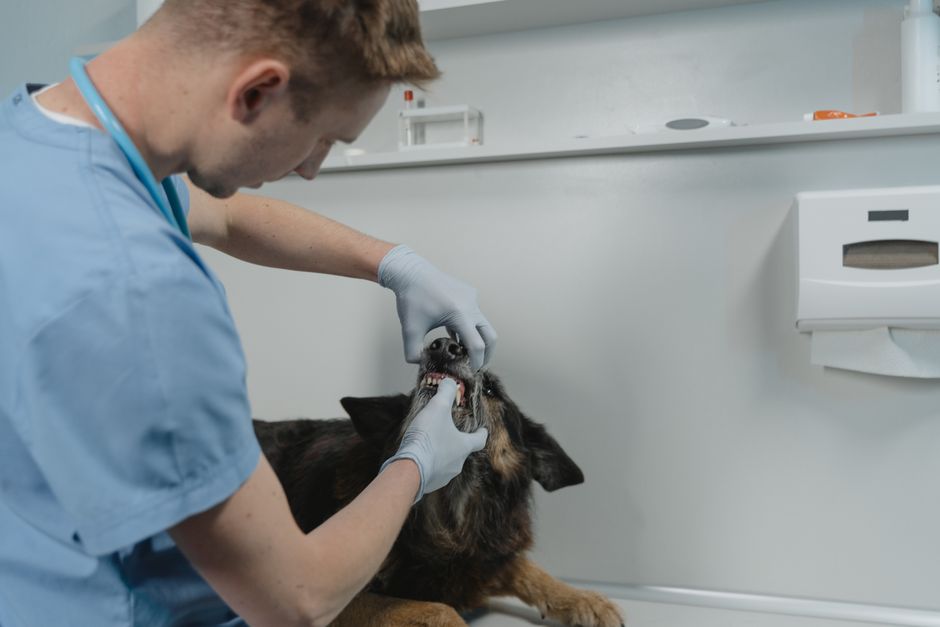
If you are thinking about traveling with your pet, a wellness examination before your trip can help ensure your dog or cat is healthy, up-to-date on vaccinations, and ready for the road ahead.
Recognizing Travel Risks for Pets: What Owners Should Watch For
Before you set out on your summer adventure, it is important to recognize how travel can affect your pet. Dogs and cats can experience a range of issues on the road, from motion sickness to anxiety and overheating. Key signs that your pet may be struggling include excessive panting, drooling, whining, pacing, or attempts to hide in the vehicle. Some pets may vomit, have diarrhea, or refuse to eat and drink, especially during long drives. Cats are particularly sensitive to changes in routine and may vocalize, pant, or become withdrawn when stressed.
In addition to behavioral cues, watch for physical symptoms that may indicate a more serious problem. These include labored breathing, pale or bright red gums, lethargy, or collapse. If you notice any of these signs, it is important to take action quickly, as they may be related to heatstroke, dehydration, or other medical emergencies.
As you plan your route, remember that hot weather poses a real risk to pets, especially in parked cars. Even with the windows cracked, the temperature inside a vehicle can rise rapidly, putting your pet at risk for heat-related illness. Never leave your pet unattended in a car, even for a few minutes.
Why Do Pets Struggle With Summer Travel? Understanding the Causes
Travel is a significant change from your pet’s usual routine, and the combination of new sights, sounds, and sensations can be overwhelming. For many pets, the stress of unfamiliar environments and car motion can trigger anxiety or gastrointestinal upset. Dogs and cats with pre-existing health conditions, such as heart disease, respiratory issues, or chronic mobility problems, may be especially vulnerable to the rigors of travel.
Motion sickness is common in both dogs and cats, particularly in young animals or those not accustomed to car rides. Symptoms include drooling, lip licking, yawning, restlessness, and vomiting. Anxiety can amplify these symptoms, leading to a cycle of distress that makes each subsequent trip more difficult for your pet.
Warm weather adds another layer of complexity. Pets do not sweat like humans; they rely on panting to regulate body temperature. In a confined vehicle, especially during Southern California’s hot afternoons, heat can build up quickly, increasing the risk of dehydration and heatstroke. Brachycephalic breeds, such as Bulldogs, Pugs, and Persians, are at especially high risk due to their shortened airways.
Additionally, travel increases your pet’s exposure to new environments where they may encounter unfamiliar animals, parasites, or infectious diseases. Ensuring your pet is protected with appropriate pet immunizations is a key part of safe summer travel.
Managing Pet Health and Comfort on the Road
Safe and enjoyable road trips with pets require thoughtful preparation and proactive care. The process begins with a pre-trip veterinary visit to ensure your dog or cat is healthy and fit for travel. At Townsgate Pet Hospital, we recommend discussing your travel plans with our veterinary professionals during your pet’s annual wellness examination. We can provide advice tailored to your pet’s needs, update necessary vaccinations, and prescribe medications for anxiety or motion sickness if appropriate.
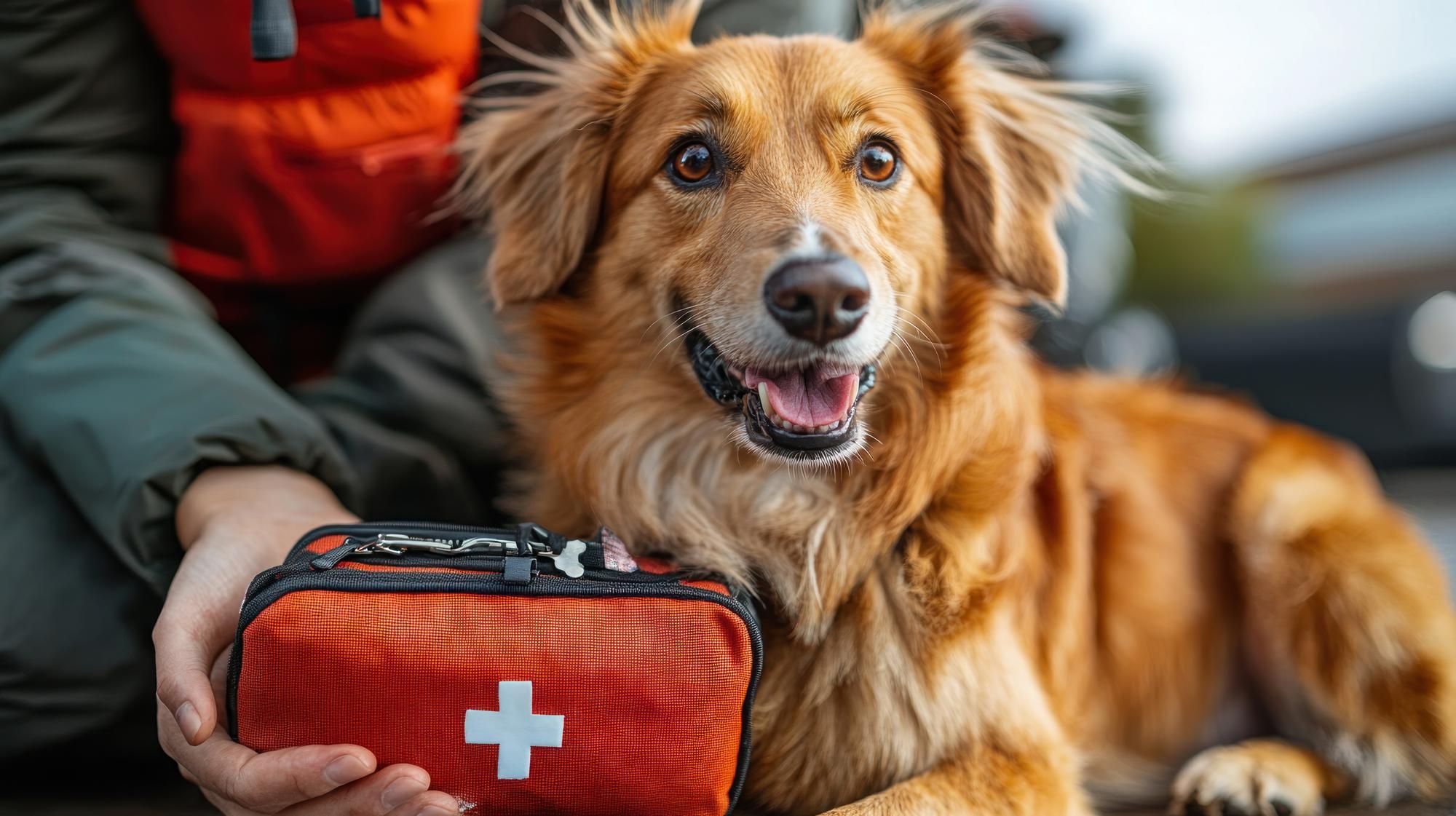
Packing for your pet involves more than just their favorite toy. Always bring enough water and food for the duration of your trip, along with collapsible bowls, a secure carrier or seatbelt harness, and a familiar blanket or bed. For cats, a portable litter box is essential. Remember to pack any medications your pet takes regularly, as well as copies of their medical records and vaccine certificates.
On the road, plan for regular stops every two to three hours, allowing your pet to stretch, relieve themselves, and drink water. Never allow your pet to roam freely in the vehicle; this is unsafe for both your pet and your passengers. Instead, use a well-ventilated, appropriately sized carrier for cats or a crash-tested harness for dogs. This not only keeps your pet secure but can also reduce anxiety by providing a familiar, enclosed space.
Temperature management is crucial. Run the air conditioning as needed and use window shades to block direct sunlight. If your vehicle is equipped with rear vents, make sure air is circulating in the back seat where your pet is riding. Always check the surface temperature of seats and seat belts before allowing your pet to lie down, as these can become hot enough to cause burns.
For longer trips or if you are traveling across state or international borders, be aware that many destinations require proof of health and up-to-date vaccinations. Our team can provide health certificates for safe travel and guide you through the documentation process to avoid last-minute surprises.
Preventing Problems: Steps for a Safe and Enjoyable Journey
Preventive care is the foundation of a successful road trip with your pet. Before you travel, gradually acclimate your dog or cat to the car by taking short drives and rewarding calm behavior. This helps pets become more comfortable with the sounds and motion of travel, reducing anxiety on the big day. Make a checklist of essential items, including water, food, medications, leashes, waste bags, and any comfort items that help your pet feel secure.
Hydration is especially important during warm weather. Offer water frequently and monitor your pet for signs of dehydration, such as sunken eyes, dry gums, or lethargy. Feeding smaller meals before and during travel can help minimize motion sickness and digestive upset. If your pet is on a special diet or has specific nutritional needs, our nutritional counseling service can provide guidance on appropriate travel foods and snacks.
Keep your pet’s microchip and ID tags up to date with your current contact information. This is essential in case your pet becomes separated from you during your trip. Carry a recent photo of your pet as well, which can be helpful if you need to search for them in an unfamiliar area.
When staying overnight, research pet-friendly accommodations ahead of time and confirm your reservation before arriving. Familiarize your pet with the new environment and maintain as much of their normal routine as possible to reduce stress.
When to Seek Veterinary Care During or After Your Trip
Even with the best preparation, unexpected health issues can arise while traveling. If your pet develops persistent vomiting or diarrhea, stops eating or drinking, becomes excessively lethargic, or shows signs of heatstroke, seek veterinary attention immediately. Heatstroke symptoms include rapid panting, glazed eyes, weakness, vomiting, diarrhea, and collapse. This is a medical emergency and requires prompt intervention.
If you are traveling far from home and need help locating a veterinarian, search for a "vet near me" or contact an emergency animal hospital in the area. It is wise to have a list of veterinary clinics along your route, especially if your pet has chronic health conditions or is a senior. For older pets, specialized travel health considerations are available through our senior pet care service, ensuring your companion remains comfortable and safe on the road.
After your trip, monitor your pet closely for any changes in behavior, appetite, or energy level. Schedule a follow-up appointment if you have any concerns about your pet’s health or if they were exposed to unfamiliar animals or environments during your travels.
Safe Travels Start With Preparation and Partnership
Summer road trips with your pet can be a wonderful experience with the right preparation and support. By recognizing travel risks, understanding your pet’s unique needs, and taking preventive steps, you can help ensure a safe, enjoyable adventure for everyone. At Townsgate Pet Hospital, our veterinary team is here to partner with you at every step, from pre-trip wellness checks to travel health certificates and nutritional counseling.
If you are planning a trip and want to make sure your dog or cat is ready for the road, schedule an appointment with our veterinarians at 2806 Townsgate Road Suite C, Westlake Village, CA 91361. You can reach us at (805) 230-1999 for expert advice and comprehensive care tailored to your pet’s individual needs.
When searching for a veterinarian near me in Westlake Village or nearby communities, trust the experienced team at Townsgate Pet Hospital to keep your pet healthy and happy, wherever your travels may take you.
This blog is intended for informational purposes only and should not replace professional veterinary advice. Always consult your veterinarian for specific concerns about your pet’s health and safety during travel.