February Dental Care Tips From Westlake Village Vets

February Dental Care Tips From Westlake Village Vets
As February brings chilly mornings and cozy evenings to Westlake Village and surrounding communities, many pet owners find themselves spending more quality time with their furry companions indoors. This month is also National Pet Dental Health Month, making it the perfect time to focus on your pet’s oral health. At Townsgate Pet Hospital, our veterinary team is committed to helping you keep your dog or cat’s teeth and gums healthy all year long. Dental disease is one of the most common health issues we see in pets, and it can lead to discomfort, infection, and serious health complications if left unchecked. In this post, we will share essential at-home dental care tips, discuss the signs of dental problems, and explain when it’s time for a professional cleaning or dental treatment. Whether you are new to pet ownership or simply want to brush up on the latest recommendations, our veterinarians in Westlake Village are here to guide you every step of the way.
If you are concerned about your pet’s dental health or looking for more information on dental cleanings and oral surgery, our dental care and cleaning services for pets can help you get started on the right paw.
Recognizing Dental Problems in Pets
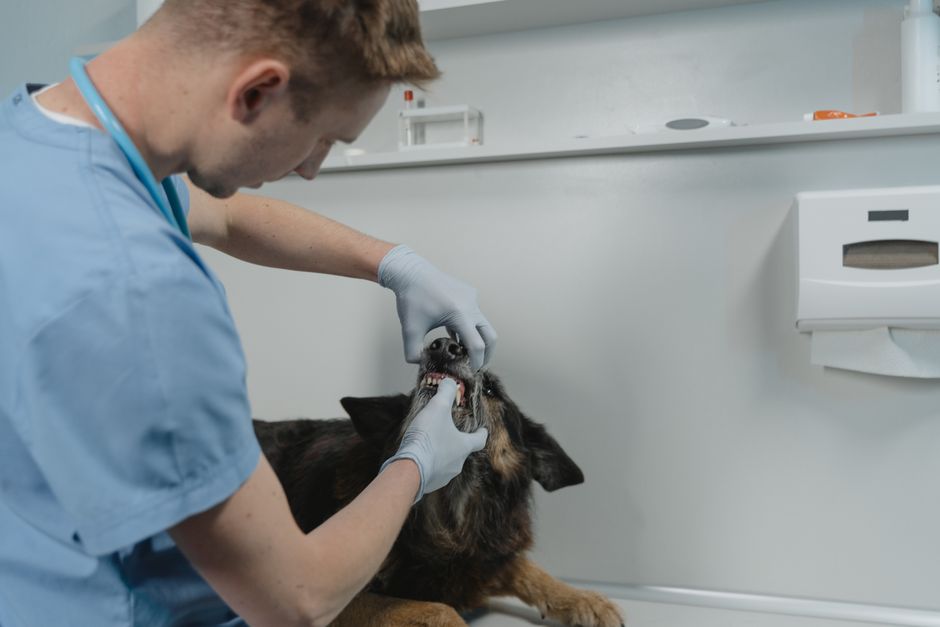
It is not always easy to tell when your pet is experiencing dental discomfort, as dogs and cats often hide signs of pain. However, there are several warning signs that may indicate dental disease or oral health issues. Bad breath is often one of the first symptoms owners notice; a persistent foul odor can signal bacteria buildup or infection. Other signs to watch for are red or swollen gums, yellow or brown tartar on the teeth, drooling more than usual, pawing at the mouth, and reluctance to eat hard food or chew toys. In advanced cases, you might see loose or missing teeth, bleeding from the mouth, or even swelling along the jawline or face.
In some cases, behavior changes such as irritability or withdrawal may be linked to chronic oral pain. If your pet suddenly avoids favorite treats or playtime, dental discomfort could be the culprit. Keeping a close eye on your pet’s normal habits will make it easier to notice subtle changes that might indicate a problem. If any of these symptoms sound familiar, it is a good idea to schedule a dental examination with our veterinary team at Townsgate Pet Hospital.
Why Dental Disease Happens: Causes and Risk Factors
Dental disease in pets is usually caused by the gradual buildup of plaque and tartar along the gumline. As bacteria accumulate, they trigger inflammation (gingivitis), which can progress to periodontitis—a more serious condition that damages the tissues and bone supporting the teeth. Factors that contribute to dental disease include genetics, age, diet, and even the shape of your pet’s mouth. Small breed dogs and certain cat breeds can be more prone to dental problems due to crowded teeth or shallow roots.
Diet also plays a significant role in oral health. Pets that eat mostly soft or wet foods may experience faster plaque accumulation compared to those who chew on dental diets or approved treats. Additionally, pets with underlying health conditions such as diabetes or kidney disease may be at higher risk for oral infections. Without regular home care and professional cleanings, dental problems can quickly escalate, affecting not just the mouth but the entire body. Bacteria from untreated dental disease can enter the bloodstream, potentially causing heart, liver, or kidney issues over time.
Professional Dental Treatments and What to Expect
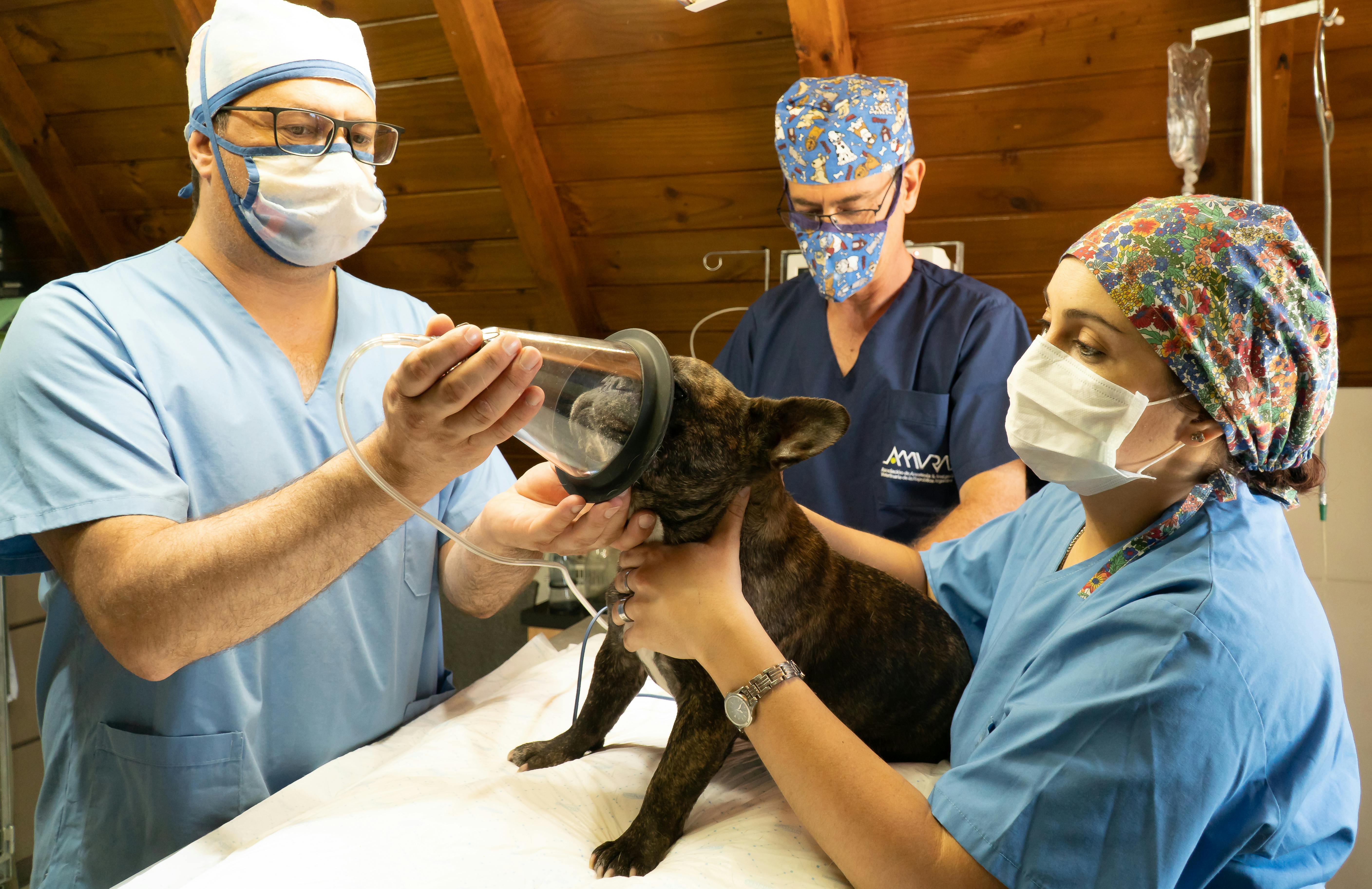
When dental disease is identified, professional intervention is often necessary to restore your pet’s oral health. At Townsgate Pet Hospital, our veterinarians offer comprehensive dental care, including thorough examinations, digital dental radiographs, and ultrasonic scaling to remove plaque and tartar both above and below the gumline. During a dental cleaning, your pet will be placed under anesthesia for their safety and comfort, allowing our veterinary team to clean each tooth thoroughly and assess for hidden problems such as fractured roots or abscesses.
If advanced dental disease is present, treatment options may involve specialized procedures such as tooth extractions or oral surgery. We understand that the thought of anesthesia or extractions can be stressful for pet owners, but these procedures are often necessary to relieve pain and prevent further complications. For more information on what is involved, you can review our detailed page on pet tooth extractions and teeth extractions services.
After a professional dental cleaning or procedure, our team provides detailed aftercare instructions to ensure a smooth recovery. Most pets bounce back quickly and show an immediate improvement in comfort, appetite, and energy.
At-Home Dental Care: Steps for a Healthier Smile
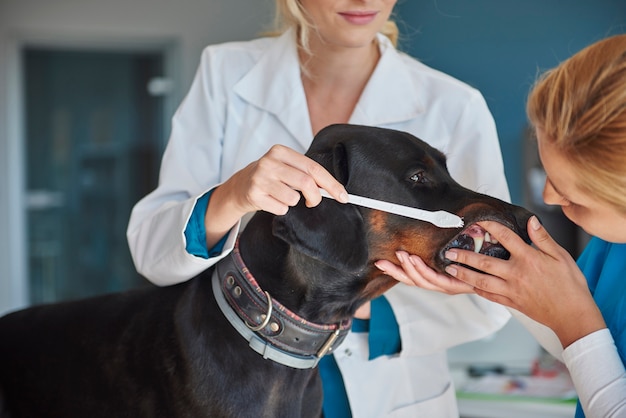
Daily home care is the cornerstone of long-term dental health for your pet. Brushing your pet’s teeth with a veterinarian-approved toothpaste is the most effective way to remove plaque and prevent tartar buildup. If brushing is new to your pet, start slowly by letting them taste the toothpaste and gradually introducing the brush or finger cot. Consistency is key; making dental care a positive part of your daily routine will help your pet accept the process.
In addition to brushing, dental diets, chews, and toys designed to reduce plaque can be beneficial. Look for products with the Veterinary Oral Health Council (VOHC) seal, which indicates proven effectiveness. Offering appropriate chew toys not only keeps your pet engaged but also helps mechanically clean their teeth as they play.
Fresh water should always be available, and regular wellness exams allow your veterinarian to monitor oral health and catch problems early. For some pets, water additives or oral rinses recommended by your veterinarian may provide extra support. While home care is vital, it is important to remember that even the best brushing can’t replace the deep cleaning achieved during a professional dental visit.
If you are curious about which products and techniques are best suited for your pet’s needs, our dental care and cleaning services for pets page offers additional guidance and resources.
When to Schedule a Professional Dental Cleaning
While at-home care makes a big difference, there are times when professional attention is necessary. You should schedule a dental cleaning if your pet displays any of the warning signs discussed earlier—such as persistent bad breath, visible tartar, red gums, or reluctance to eat. Even if your pet seems comfortable, most dogs and cats benefit from a professional dental cleaning at least once a year, or more frequently if suggested by your veterinarian due to breed, age, or health status.
Our veterinary team recommends regular dental assessments as part of your pet’s wellness plan. Early intervention can prevent painful infections, tooth loss, and costly treatments down the road. If your pet has already developed significant dental disease, procedures such as pet oral surgery and dental surgery may be recommended to restore oral health and comfort.
If you have questions about the timing of your pet’s next dental cleaning or want to take advantage of seasonal promotions, be sure to ask about our dental cleaning special.
Why Dental Health Matters All Year—Not Just February
Although National Pet Dental Health Month puts a spotlight on oral care, dental health should be a year-round priority. In the mild, damp winters of Westlake Village, pets may spend more time indoors, increasing opportunities for snacking and less for natural teeth-cleaning activities. The impact of untreated dental disease extends well beyond the mouth, with connections to systemic health issues that can affect your pet’s overall quality of life.
By partnering with your veterinarian for regular dental checkups and maintaining a consistent home care routine, you can help your pet enjoy fresher breath, a healthier mouth, and a longer, happier life. Remember that preventive care is always easier, less stressful, and less expensive than treating advanced dental problems after they develop.
When to Call Your Veterinarian: Taking the Next Steps
If you notice any signs of dental discomfort or simply want expert advice on maintaining your pet’s oral health, scheduling an appointment with our veterinary professionals in Westlake Village is the best next step. Our team can perform a thorough oral examination, discuss your concerns, and develop a personalized dental care plan for your dog or cat. For those searching for a “veterinarian near me” who offers dental expertise and compassionate care, Townsgate Pet Hospital is here to support you and your pet throughout every stage of life.
To get started, call (805) 230-1999 to schedule your pet’s dental evaluation or request more information about our dental cleaning specials and advanced dental procedures. If you want to learn more about available treatment options, visit our pet dental care and cleaning services for pets page.
Your pet’s health and comfort are always our top priorities. Trust our veterinarians to provide knowledgeable, friendly guidance and the highest standard of care—this February and beyond.
Disclaimer: This blog is intended for informational purposes only and should not be considered a substitute for professional veterinary advice, diagnosis, or treatment. Always consult with your veterinarian for specific concerns about your pet’s dental health. For urgent dental issues or emergencies, seek veterinary care promptly. For additional pet dental health resources, visit the American Veterinary Dental College.