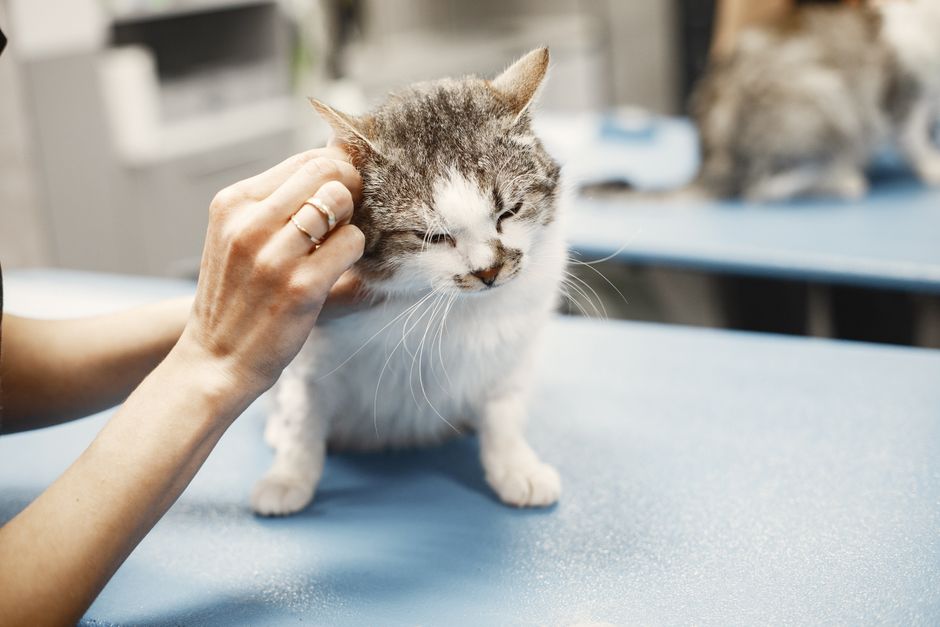
June Pet Allergy Relief: Helping Your Dog or Cat in Westlake Village

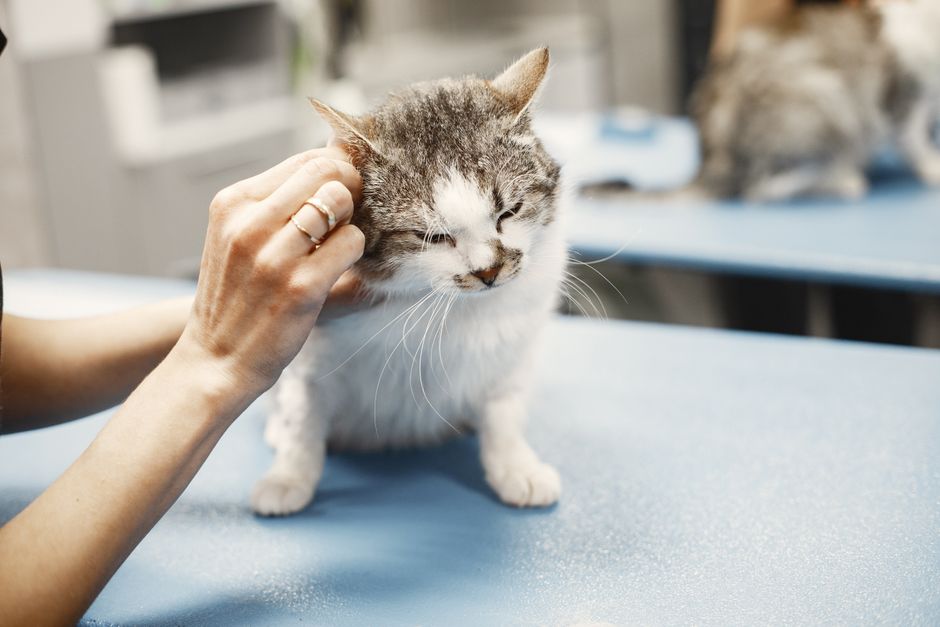
June Pet Allergy Relief: Helping Your Dog or Cat in Westlake Village
If you have noticed your dog or cat scratching incessantly, sneezing more often, or developing red, irritated skin this June, you are not alone. Summer in Westlake Village brings a burst of plant growth and changing weather, which can mean allergy season is in full swing for many pets. At Townsgate Pet Hospital, our veterinarians understand how frustrating and uncomfortable seasonal allergies can be for both pets and their owners. In this blog, we will explore why allergies flare up during June, the signs that your pet may be suffering, and the most effective veterinary treatments available. We will also provide practical tips for managing allergies at home and explain when it is time to schedule an appointment with our experienced veterinary team at 2806 Townsgate Road Suite C, Westlake Village, CA 91361. If your dog or cat seems miserable this summer, relief is possible, and we are here to help you every step of the way.
Recognizing Allergy Symptoms in Dogs and Cats
Understanding the early signs of pet allergies is the first step toward helping your companion feel better. In June, allergies can manifest in a variety of ways, and these symptoms may appear suddenly or worsen as pollen counts rise in Westlake Village.
Typical symptoms of seasonal allergies in pets include persistent itching, scratching, or biting at the skin. You might also notice hair loss, redness, or scabbing, particularly on the belly, paws, or ears. Dogs and cats may develop watery eyes, frequent sneezing, or even reverse sneezing, which sounds like a sudden snorting or honking. In some cases, pets can develop ear infections alongside skin irritation. Licking or chewing at the paws until they become inflamed is another classic sign, often seen after outdoor walks or playtime.
Some pets will show only mild discomfort, while others may be noticeably distressed, restless, or even lose interest in their usual activities. If you observe any of these symptoms lasting more than a few days, or if your pet’s skin appears raw or infected, it is time to reach out to a veterinarian for guidance. Prompt attention can prevent mild allergies from escalating into more serious health concerns.
What Causes Summer Allergies in Westlake Village Pets?
Pet allergies in June are primarily triggered by environmental factors that become more prevalent with the warmer, drier weather in Southern California. Pollen from trees, grasses, and weeds is a common culprit. As local plants bloom, they release microscopic particles that can settle on your pet’s fur and skin, leading to irritation. Mold spores, which thrive in damp mulch or shaded garden spots, can also aggravate sensitive pets.
In addition to outdoor allergens, indoor triggers such as dust mites or household chemicals may play a role. Dogs and cats with underlying sensitivities could react to multiple allergens at once, and the cumulative effect during peak pollen season can be significant. Certain breeds are more prone to allergies, including many terriers, retrievers, and flat-faced cats, but any pet can develop allergic reactions at any stage of life.
Flea allergies are another concern in the summer months. Even a single flea bite can cause intense itching in sensitive pets, so maintaining consistent flea prevention is crucial. It is also important to know that food allergies can sometimes mimic seasonal allergies, although these typically cause year-round symptoms rather than just appearing in June.
Genetics, immune system function, and even age can influence how your dog or cat reacts to allergens. Senior pets or those with a history of skin issues may be especially vulnerable during the peak of allergy season.
How Veterinarians Diagnose and Treat Pet Allergies
When you bring your dog or cat to Townsgate Pet Hospital for allergy concerns, our veterinary team will start with a thorough examination and review of your pet’s history. Identifying the underlying cause of symptoms is essential for successful treatment. Diagnostic steps may include a detailed skin evaluation, checking for fleas or other parasites, and discussing any recent changes in your pet’s environment, diet, or grooming products.
For persistent or complicated cases, we may recommend allergy testing to pinpoint specific triggers. Allergy testing allows us to distinguish between environmental and food allergies and tailor a treatment plan that offers long-term relief. Our in-house diagnostics and laboratory services make this process efficient and accurate for pets in Westlake Village and the neighboring communities.
Treatment options for pet allergies are varied and may involve several approaches. Medications such as antihistamines, corticosteroids, or newer allergy-specific drugs can provide relief from itching and inflammation. For pets with recurring skin or ear infections, topical therapies or prescription shampoos may be prescribed. In cases of severe allergies, immunotherapy, which involves exposing your pet to small amounts of the allergen over time to build tolerance, can be highly effective.
When skin issues are present, our dermatology services help address infections, hot spots, and chronic irritation. If food allergies are suspected, we may initiate an elimination diet or recommend special hypoallergenic foods. Our veterinarians will guide you through every step, ensuring that your pet receives the safest and most appropriate care.
Home Care and Prevention: Keeping Allergies Under Control
While veterinary treatment is essential for managing moderate to severe allergies, there are many steps you can take at home to support your pet’s comfort this summer. Regular bathing with a gentle, hypoallergenic pet shampoo helps remove pollen and reduce skin irritation. Wiping your dog’s paws and coat after outdoor walks, especially during high pollen days, can limit allergen exposure. Keeping your home’s windows closed and using air purifiers may also lessen indoor triggers.
Vacuuming carpets, washing pet bedding frequently, and minimizing the use of scented cleaning products can further reduce allergens in your home. For cats, providing clean litter boxes and dust-free environments is particularly helpful. Maintaining year-round flea prevention is vital, as flea bites can significantly worsen seasonal allergy symptoms.
Dietary support plays an important role in skin health. Omega-3 fatty acid supplements or prescription diets recommended by your veterinarian can strengthen your pet’s natural skin barrier. If you have questions about optimal nutrition for an allergy-prone dog or cat, our nutritional counseling services are available to help you develop a plan that supports your pet’s unique needs.
Staying consistent with preventive care, including wellness examinations, allows our veterinarians to monitor your pet’s skin and overall health, making it easier to catch and address allergy flares before they become severe.
When to Schedule a Veterinary Visit for Allergies
It can be challenging to determine when home remedies are enough and when it is time to see a veterinarian. In general, if your pet’s itching, redness, or discomfort persists for more than a few days, or if you notice open sores, hair loss, or signs of infection such as odor or discharge, prompt veterinary attention is recommended. Allergies that interfere with your pet’s ability to sleep, eat, or enjoy their usual activities should always be evaluated by a professional.
Certain situations require immediate veterinary care, such as severe swelling of the face or throat, sudden difficulty breathing, or signs of extreme distress. These may indicate a more serious allergic reaction that needs urgent intervention.
Regular veterinary checkups also play a key role in long-term allergy management. Scheduling a wellness examination at Townsgate Pet Hospital gives our team the opportunity to assess your pet’s skin, ears, and overall health on a routine basis, catching subtle changes before they develop into serious problems. For senior dogs and cats, allergies can be more complex due to age-related changes, so our senior pet care services address their unique challenges during allergy season.
Supporting Your Pet Through Allergy Season: Our Commitment
At Townsgate Pet Hospital, we know how much you care about your pet’s comfort and wellbeing. Our veterinarians have extensive experience diagnosing and treating pet allergies specific to the Westlake Village area, and we are dedicated to helping you find solutions that work for your family. With advanced diagnostic tools, compassionate care, and a wide range of allergy treatments available at our Westlake Village location, your pet is in good hands.
If you are searching for a "vet near me" to help your dog or cat find relief from June allergies, look no further than Townsgate Pet Hospital. We encourage you to schedule an appointment with our veterinary team if your pet is showing any signs of seasonal allergies or if you have questions about prevention and management. Our team is here to support you with comprehensive care, practical advice, and ongoing partnership throughout allergy season and beyond.
To book your visit or learn more, call us at (805) 230-1999 or stop by our clinic at 2806 Townsgate Road Suite C, Westlake Village, CA 91361. Relief for your pet is just an appointment away—let us help your companion enjoy a happier, healthier summer in Westlake Village.
This blog is for informational purposes only and does not substitute for professional veterinary advice. If your pet is experiencing severe symptoms or you are unsure about their health, please contact our veterinary team directly for personalized guidance and care.