Senior Pet Care Essentials for March in Westlake Village


Senior Pet Care Essentials for March in Westlake Village
As the calendar turns to March in Westlake Village, the weather begins to shift, bringing cooler breezes and unpredictable changes that can affect your senior pet’s health and comfort. For many pet owners, this is a time to reflect on whether their aging dogs and cats are truly ready for the season ahead. At Townsgate Pet Hospital, located at 2806 Townsgate Road Suite C, Westlake Village, CA 91361, our team of veterinarians is dedicated to helping you understand the essentials of senior pet care this March. In this blog, we will explore the subtle signs that your older pet may need extra attention, discuss how local weather patterns impact their health, and offer expert guidance on nutrition, diagnostics, and preventive care. You will also learn how regular checkups and tailored wellness strategies can make a world of difference for your furry family member. Whether you live in Westlake Village or a nearby community, our goal is to support you in making the best decisions for your senior pet’s comfort and longevity.
Recognizing Age-Related Changes in Your Pet: What to Watch For This March
As pets grow older, their bodies respond to environmental changes and seasonal weather with increased sensitivity. March in Westlake Village can bring cooler mornings and damp evenings, which may challenge your senior pet’s joints, immune system, and overall energy. Key symptoms that suggest your pet is feeling the effects of age include slower movement, reluctance to climb stairs, or difficulty getting up after a nap. You might notice your dog or cat is sleeping more than usual, seems less interested in play, or hesitates during walks. Other signs to watch for are changes in appetite, mild weight loss or gain, increased thirst, and subtle shifts in behavior such as confusion or restlessness at night.
Pets may also develop changes in their coat quality or begin to have more noticeable breath odor, which can indicate dental disease. Stiffness or limping—particularly on chilly mornings—are common in pets with arthritis, while increased urination or accidents in the house can signal underlying medical concerns. If your pet’s eyes appear cloudy or their hearing seems diminished, these are natural parts of aging, but sudden changes should always prompt a checkup. By observing your pet closely during this transitional time of year, you provide valuable information to your veterinarian that can help tailor a wellness plan specifically for your companion.
Why Senior Pets Are More Vulnerable in Cooler Weather
March weather in Westlake Village is often unpredictable. The shift from warm, sunny afternoons to chilly, damp evenings can be especially challenging for older pets. As animals age, their bodies lose some ability to regulate temperature efficiently, making them more susceptible to cold or damp conditions. Pets with thinning fur, joint issues, or chronic illnesses require extra support to stay comfortable.
Osteoarthritis is one of the most common conditions affecting senior dogs and cats. Cooler weather can exacerbate stiffness and discomfort, leading to decreased mobility. Additionally, senior pets often experience a decline in immune function, making them more prone to respiratory infections or skin problems during times of fluctuating temperatures. Pets with underlying heart, kidney, or endocrine conditions—such as diabetes or thyroid disease—may also have more difficulty maintaining stable health when the weather is unpredictable.
Changes in routine, such as spending less time outdoors or altering exercise habits, can further affect your pet’s physical and emotional wellbeing. This is why regular wellness visits and close monitoring are so important during the spring transition. By understanding the unique vulnerabilities of senior pets, you can help them adapt to March’s weather shifts and minimize discomfort.
Comprehensive Veterinary Care for Senior Pets at Townsgate Pet Hospital
At Townsgate Pet Hospital, we believe that proactive, personalized care is the foundation of a healthy, happy senior pet. Our comprehensive approach combines routine examinations, in-house diagnostics, and advanced imaging to detect early signs of disease or age-related decline. When you bring your senior pet in for a wellness examination, our veterinary team will perform a thorough physical assessment, discuss any changes you have noticed at home, and recommend diagnostic tests tailored to your pet’s needs.
Services such as pet diagnostic laboratory testing help us evaluate organ function, screen for metabolic disorders, and monitor chronic health conditions. If your pet is showing signs of arthritis, unexplained weight change, or internal discomfort, we may suggest veterinary ultrasound services or digital radiology imaging to investigate further. These technologies allow us to spot subtle concerns before they become significant problems.
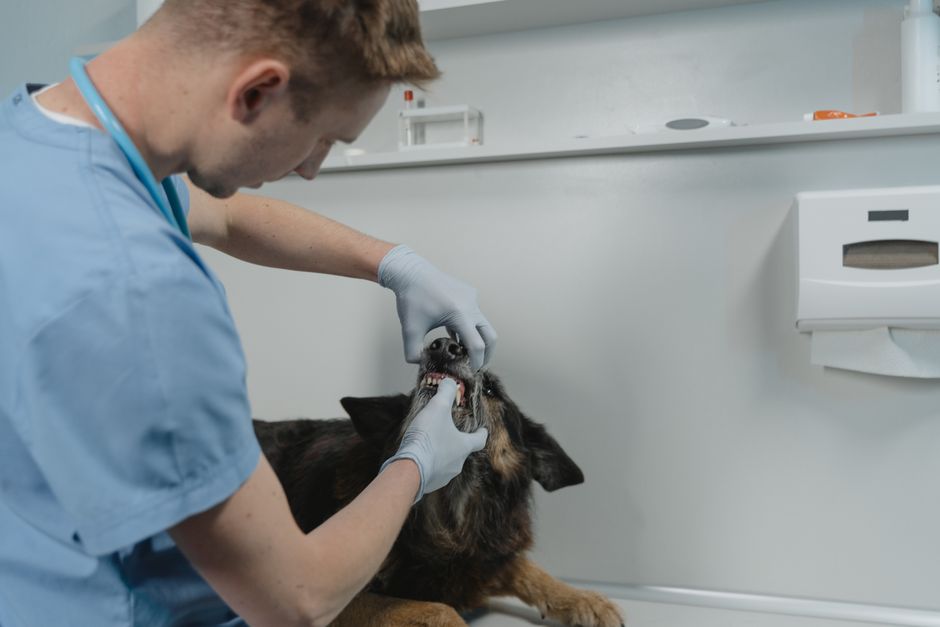
Nutritional counseling is another key element of senior pet care. Our veterinarians can help you select appropriate diets and supplements that address age-related needs, such as joint health, digestive support, and weight management. We also educate pet owners about oral health, as dental disease is extremely common in older animals and can impact overall wellbeing. If dental issues are present, we are equipped to provide safe and effective treatments, including cleanings and tooth extractions.
Supporting Your Senior Pet at Home: Nutrition, Comfort, and Routine
Caring for a senior pet in March means making small adjustments that can have a big impact on their quality of life. Ensure your pet’s bedding is warm and cushioned, and consider placing their bed in a draft-free area to protect against chilly nights. Gentle, regular exercise—such as short walks or low-impact play—helps maintain muscle tone and joint function, but it’s important to modify activity levels based on your pet’s abilities. If your pet struggles with stairs or slippery floors, non-slip mats and ramps can help prevent falls and make daily movement easier.
Nutrition plays a critical role in senior pet health. High-quality, age-appropriate diets provide the essential nutrients needed to support immune function, maintain healthy weight, and promote mobility. When considering dietary changes, consult with your veterinarian or explore our nutritional counseling services to ensure your pet’s needs are met. For pets with arthritis or other chronic conditions, your veterinarian may recommend joint supplements, omega-3 fatty acids, or prescription diets.
Routine grooming and dental care are equally important. Older pets may have trouble grooming themselves, leading to matting or skin irritation. Regular brushing, nail trims, and dental hygiene help keep your pet comfortable and prevent infections. Watch for changes in your pet’s behavior, appetite, or bathroom habits, and keep a journal to share any concerns with your veterinarian at your next visit.
When to Schedule a Veterinary Visit: Early Intervention Matters
Knowing when to seek professional veterinary care is crucial for your senior pet’s long-term health. You should schedule an appointment if you notice any sudden changes in your pet’s mobility, appetite, drinking habits, or bathroom routines. Persistent coughing, labored breathing, vomiting, diarrhea, or unexplained weight loss are all signs that warrant immediate attention. Subtle symptoms such as confusion, disorientation, or increased anxiety may signal cognitive changes associated with aging.
It is important to remember that regular wellness exams are the cornerstone of preventive care for older animals. Even if your pet seems healthy, routine checkups allow our veterinary team to detect early warning signs of illness and intervene before conditions become severe. We recommend at least twice-yearly exams for senior pets, with additional visits as needed for existing health issues. If you are ever unsure whether your pet’s symptoms require veterinary attention, don’t hesitate to call our clinic for guidance.
For those searching for a “vet near me” who understands the unique needs of aging pets, Townsgate Pet Hospital offers compassionate, comprehensive care right here in Westlake Village. Our senior pet care services are designed to support your companion every step of the way.
Take the Next Step: Compassionate Senior Pet Care in Westlake Village
March is the perfect time to re-evaluate your senior pet’s health and comfort as they adapt to shifting weather and seasonal changes. By recognizing early warning signs, maintaining a supportive home environment, and staying proactive with veterinary care, you can help your pet enjoy the golden years with dignity and happiness. At Townsgate Pet Hospital, our team of veterinarians is here to partner with you in every aspect of your pet’s wellness journey.
If you have questions about your senior pet’s care or need to schedule a wellness examination, we invite you to contact us at (805) 230-1999 or visit our Westlake Village location. For more information on our comprehensive pet examinations and senior pet care options, our website offers additional resources to guide your decisions. We look forward to providing the support, expertise, and compassion your pet deserves—this March and throughout every season of life.
This blog is intended for informational purposes only and does not replace professional veterinary evaluation. Please consult with your veterinarian for individualized advice and care for your pet.