Protecting Your Pet’s Skin in Westlake Village’s February Weather


Protecting Your Pet’s Skin in Westlake Village’s February Weather
As February brings its signature overcast skies and mild, sometimes damp air to Westlake Village, many pet owners notice their dogs or cats start to scratch, lick, or show signs of dry skin. At Townsgate Pet Hospital, located at 2806 Townsgate Road Suite C, Westlake Village, CA 91361, we understand how concerning it can be when your pet’s skin becomes irritated or flaky. Seasonal changes can have a significant impact on your pet’s comfort and overall health, making it important to recognize early signs of skin trouble and know when to seek help.
In this post, you’ll discover how the unique February climate in Westlake Village can affect your pet’s skin, the common signs of skin and coat issues to watch for, what causes these changes, and how our veterinary team can help with effective diagnostics and customized treatments. We’ll also provide practical home care tips and explain when it’s best to schedule an appointment for professional support. Our goal is to keep pets in Westlake Village and surrounding communities feeling comfortable and healthy, no matter the season.
Recognizing Skin and Coat Problems in Your Pet
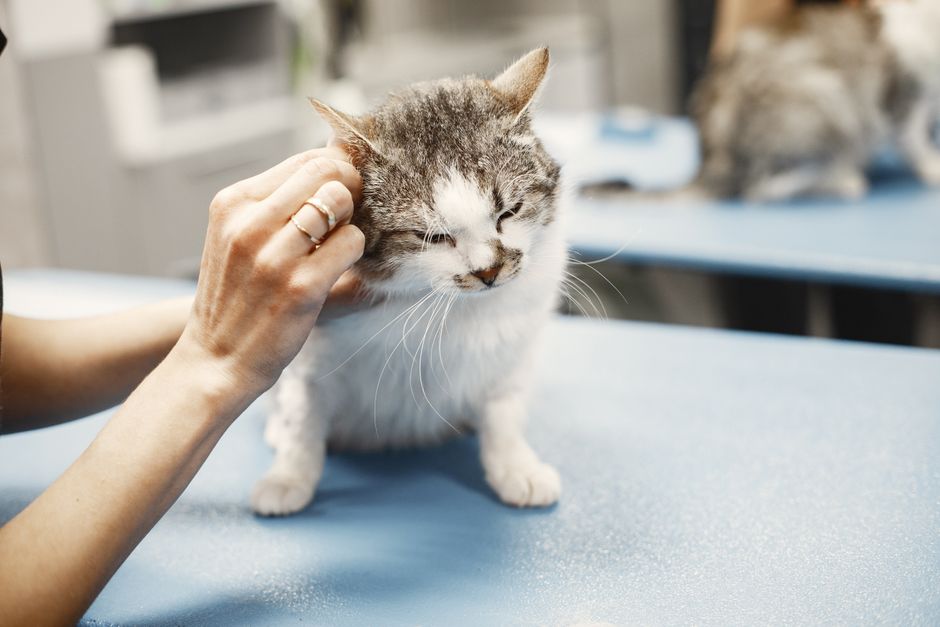
As you cuddle with your pet on a cool February morning, you might notice subtle changes in their coat or skin. Dryness, persistent scratching, or small patches of hair loss are often the first signs that your pet’s skin health needs attention. Key symptoms of skin discomfort include excessive licking or chewing at certain areas, redness or inflammation, scaly or flaky patches, and a dull or brittle coat. Some pets develop small bumps, hot spots, or even open sores if the scratching continues.
It’s not always easy to distinguish between normal grooming and the early stages of skin irritation. If you observe your dog scratching more frequently after walks, or your cat spending more time grooming certain spots, these could be subtle indicators. Other warning signals are changes in your pet’s behavior such as restlessness, increased vocalization, or avoidance of petting, which may suggest discomfort. It’s important to pay close attention to these signs since early intervention can often prevent more serious skin conditions.
Why February Weather Affects Pet Skin in Westlake Village
You might wonder why February’s weather can cause your pet’s skin to become itchy or dry. In Westlake Village, the winter months tend to be cooler and more humid, but indoor heating can dry out the air inside your home. This shift in humidity levels leads to moisture loss from your pet’s skin, resulting in dryness, flaking, and increased sensitivity. Additionally, the overcast skies and shorter days may reduce your pet’s exposure to sunlight, which can play a role in maintaining a healthy skin barrier.
Environmental allergens are another significant factor. Even in winter, certain pollens, molds, or dust mites remain active and can trigger allergic reactions. Pets with a history of allergies may experience flare-ups during this time, presenting as persistent itching or inflamed skin. Changes in grooming habits due to wetter outdoor conditions can also contribute; mud, debris, or salt from sidewalks may linger on your pet’s fur and skin, causing irritation if not cleaned promptly.
Underlying medical conditions, such as hormonal imbalances or nutritional deficiencies, can further impact your pet’s skin health. Senior pets are especially prone to age-related skin changes, and those with chronic illnesses may be more susceptible to infection or inflammation. If you’re unsure about the cause of your pet’s skin problems, our team at Townsgate Pet Hospital can provide thorough wellness examinations and advanced diagnostics to pinpoint the underlying issue.
Veterinary Diagnosis and Treatment for Pet Skin Issues
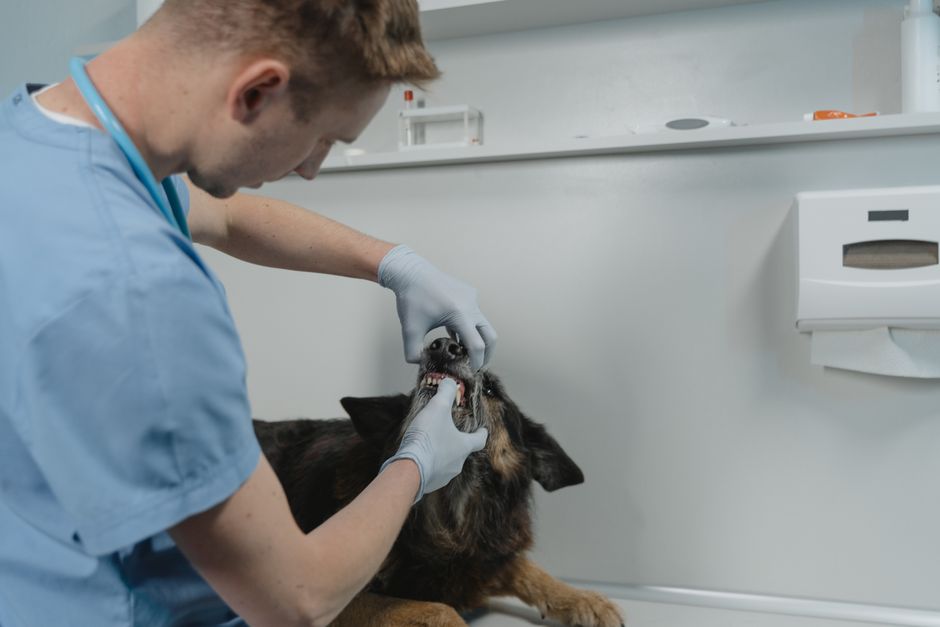
When home remedies are not enough to relieve your pet’s itching or discomfort, professional veterinary care becomes essential. At Townsgate Pet Hospital, we offer a full spectrum of in-house diagnostics, including skin scrapings, cytology, and laboratory testing, to accurately identify the source of your pet’s skin problems. Our diagnostic laboratory services allow us to quickly evaluate for infections, parasites, or hormonal disorders that may be affecting your pet.
If allergies are suspected, our veterinary team may recommend allergy testing to determine specific triggers. This helps us develop a targeted treatment plan, which could involve hypoallergenic diets, special shampoos, or medications to control inflammation and itching. For pets with recurring or severe skin conditions, our dermatology services provide advanced care, including management of chronic diseases and immune-mediated skin disorders.
Treatment approaches often involve a combination of topical therapies, such as medicated baths or sprays, and systemic medications when needed. In some cases, dietary changes are recommended to address nutritional deficiencies that contribute to poor coat quality. Our veterinarians may suggest nutritional supplements rich in omega-3 and omega-6 fatty acids, which are proven to support healthier skin and a shinier coat.
Throughout your pet’s treatment, our veterinary professionals work closely with you to monitor progress and make adjustments as necessary. Regular follow-up exams ensure that the underlying cause is properly managed and help prevent recurrence of skin issues.
Practical Home Care and Prevention Tips for Healthy Skin
Keeping your pet’s skin and coat healthy during February requires a blend of attentive home care and preventive veterinary support. Bathing your pet with a gentle, moisturizing shampoo can help remove irritants and maintain skin hydration. Always choose products formulated for pets, as human shampoos may disrupt your pet’s natural skin barrier. After outdoor walks, take a few moments to towel off your dog’s paws and belly, especially if they’ve been exposed to mud or road salts.
Maintaining a balanced diet is crucial for skin health. Talk to your veterinarian about nutritional counseling to ensure your pet is receiving the right nutrients for their age, breed, and activity level. Including foods or supplements high in essential fatty acids can make a noticeable difference in coat shine and softness. For indoor pets, consider using a humidifier to increase moisture in the air and reduce dryness caused by heating systems.
Regular brushing removes dead hair and distributes natural oils, keeping the coat glossy and less prone to matting. It also provides an opportunity to check for lumps, bumps, or early signs of irritation. For pets with known allergies, minimizing exposure to potential triggers such as dust, pollen, or certain cleaning products can help reduce flare-ups. Washing bedding and toys frequently keeps allergens at bay.
Preventive care visits are the best way to stay ahead of skin problems. Scheduling periodic wellness examinations allows our veterinarians to spot early changes and recommend appropriate interventions. For senior pets, specialized care may be needed to address age-related skin concerns and maintain overall health.
When to Schedule a Veterinary Visit for Skin Concerns
While mild dryness or occasional itching may be managed at home, certain situations call for prompt veterinary evaluation. If your pet’s scratching becomes constant, you notice raw or bleeding areas, or there is an unpleasant odor from the skin or ears, it’s time to schedule an appointment. Other warning signs include sudden hair loss, changes in appetite, or signs of pain when touched.
Skin problems that do not improve with basic care, or that seem to worsen quickly, often indicate an underlying medical issue that needs professional attention. Pets with chronic health conditions, seniors, or those on medication are at higher risk for skin complications and benefit from early intervention. Delaying care can result in infections, scarring, or more complex health challenges.
At Townsgate Pet Hospital, our veterinarians are equipped to provide comprehensive diagnostics and tailored treatments for all types of skin and coat issues. If you live in Westlake Village or surrounding communities and are searching for a trusted "vet near me," our team is here to help you find answers and relief for your pet.
Keeping Your Pet Comfortable All Year Long
Caring for your pet’s skin in Westlake Village’s February weather doesn’t have to be stressful. By staying alert to early signs of skin irritation, maintaining good home care routines, and partnering with our veterinary professionals, you can help your pet enjoy a comfortable, itch-free season. Remember, prompt action and preventive support are the keys to long-term skin health.
If your pet is showing signs of dry skin, persistent scratching, or any of the issues discussed here, don’t wait for symptoms to get worse. Schedule an appointment with the Townsgate Pet Hospital team by calling (805) 230-1999 or visiting our convenient location at 2806 Townsgate Road Suite C, Westlake Village, CA 91361. Our veterinarians are dedicated to providing compassionate, expert care for pets of all ages, whether you need a routine checkup, advanced dermatology services, or nutritional advice. Let us help you keep your companion looking and feeling their best, every season of the year.
This blog is for educational purposes only and does not replace professional veterinary advice. Please consult with your veterinarian for personalized recommendations regarding your pet’s health.