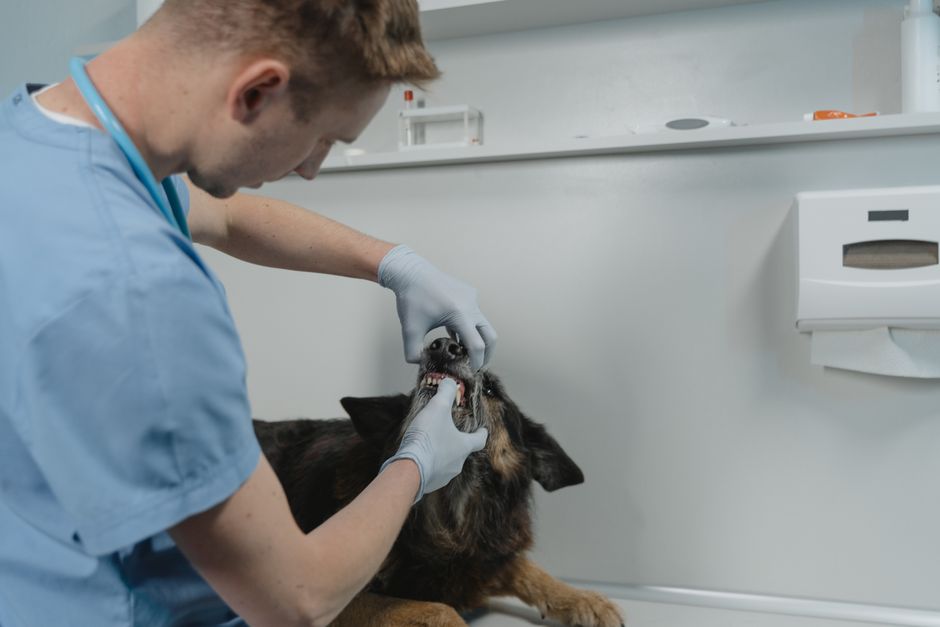
Preventing Springtime Parasites in Westlake Village Pets


Preventing Springtime Parasites in Westlake Village Pets
As the days grow longer and temperatures rise in Westlake Village, our pets become more eager to explore the outdoors. Spring is a wonderful time for walks, hikes, and backyard play, but it also marks the start of peak parasite season. Fleas, ticks, and heartworms all thrive in warmer weather, putting dogs and cats at an increased risk for uncomfortable, and sometimes life-threatening, infestations and diseases. At Townsgate Pet Hospital, located at 2806 Townsgate Road Suite C, Westlake Village, CA 91361, our veterinary team is dedicated to helping you protect your pet with preventive care, in-house diagnostics, and personalized guidance tailored to our local environment.
In this article, we will explore the most common springtime parasites in the Westlake Village area, how to recognize the early signs of infestation, why prevention is critical, and the steps you can take to keep your pet healthy throughout the season. We will also share how our veterinarians support your pet’s well-being with advanced diagnostics and comprehensive parasite prevention services. If you are searching for trustworthy veterinary advice or reliable "vet near me" preventive care, you are in the right place.
Recognizing the Threat: Common Springtime Parasites in Westlake Village
Many pet owners notice their dogs and cats scratching more as the weather warms up, but not everyone realizes how quickly springtime parasites can escalate from a nuisance to a health hazard. Fleas, ticks, and heartworms are the primary culprits in our area during March and the spring months.
Fleas are tiny insects that can trigger intense itching, allergic reactions, and even anemia in pets. They can be picked up from other animals, tall grasses, or even from your own backyard. Ticks are small arachnids that attach to your pet’s skin to feed on blood, often hiding in the ears, between the toes, or under collars. Ticks can transmit serious diseases such as Lyme disease and ehrlichiosis, which are on the rise throughout California. Heartworms, unlike fleas and ticks, are transmitted by mosquito bites. These worms settle in a pet’s heart and lungs, leading to potentially fatal heart and respiratory problems if left untreated.
The signs of a flea or tick infestation in your pet include persistent scratching, biting, or licking at the skin, the appearance of small black “flea dirt” particles in their fur, visible ticks attached to the skin, hair loss, redness, or scabs. Signs of heartworm disease are often more subtle at first and may include coughing, fatigue after exercise, labored breathing, and unexplained weight loss. In cats, heartworm symptoms can be vague, sometimes appearing as coughing, vomiting, or sudden collapse.
If you notice any of these symptoms in your pet, it is important to schedule an appointment for a wellness examination with our veterinary team as soon as possible. Early detection and intervention can make all the difference for your pet’s comfort and long-term health.
Why Spring Brings an Increase in Parasite Risk
The transition from winter to spring in Westlake Village creates the perfect environment for parasites to thrive. Warmer temperatures and increased humidity provide ideal breeding conditions for fleas and mosquitoes, while ticks become more active as they seek out new hosts in grassy and wooded areas.
Fleas can multiply rapidly; a single female flea is capable of laying up to fifty eggs per day. This means that even a minor infestation can quickly escalate into a major problem if not addressed promptly. Ticks, which often lie in wait on tall grass or shrubs, latch onto passing pets and begin feeding within hours. As pets spend more time outdoors during the spring, their chances of encountering these parasites increase significantly.
Heartworm disease is of particular concern during spring and summer because mosquitoes are more prevalent. All it takes is one bite from an infected mosquito to introduce heartworm larvae into your pet’s bloodstream. Over time, these larvae mature into adult worms that can cause severe cardiac and respiratory complications, especially in dogs.
Local factors can also influence parasite activity. In Westlake Village and surrounding communities, the mild climate allows some parasite populations to survive year-round, but their numbers and activity peak during the spring. Neighborhood parks, hiking trails, and even well-kept backyards can all harbor fleas, ticks, and mosquitoes.
Understanding these seasonal and environmental factors helps explain why year-round parasite prevention is so important for pets in our community.
Professional Diagnosis and Treatment at Townsgate Pet Hospital
If you suspect your pet has been exposed to fleas, ticks, or heartworms, prompt veterinary attention is essential. At Townsgate Pet Hospital, our veterinarians use advanced in-house diagnostics to detect and confirm the presence of parasites swiftly and accurately.
For flea and tick infestations, a physical examination may reveal live parasites or skin changes associated with allergic reactions. Our team may also recommend skin scrapings or laboratory testing to identify secondary infections or underlying allergies. Ticks may be carefully removed in the clinic to reduce the risk of disease transmission.
Diagnosing heartworm disease requires more specialized testing. We offer heartworm testing services, which involve a simple blood test to check for heartworm proteins. In some cases, additional diagnostics such as radiographs or ultrasounds may be needed to assess heart and lung health.
Treatment for fleas and ticks involves eliminating the parasites from your pet and their environment. Our veterinarians may prescribe oral or topical medications that kill adult fleas or ticks and interrupt their life cycle. In severe cases, additional therapies such as medicated baths or anti-itch medications may be recommended. For pets diagnosed with heartworm, treatment is more complex and may involve a series of injections to kill adult worms, as well as medications to manage symptoms and prevent complications. Because heartworm treatment can be risky and expensive, prevention remains the best strategy.
Throughout the treatment process, our veterinary team will provide personalized recommendations to ensure your pet’s comfort and safety. We understand how stressful a parasite diagnosis can be for both pets and their families, and we are committed to guiding you with compassion and expertise every step of the way.
Preventing Parasites: What Pet Owners Can Do at Home
The most effective way to protect your pet from fleas, ticks, and heartworms is through year-round prevention, especially during the peak spring months. Your veterinarian can recommend safe, effective preventive products tailored to your pet’s age, weight, lifestyle, and health status.
These preventive options include monthly oral or topical medications that protect against fleas, ticks, heartworms, or all three. Some products are available as tasty chews, while others are applied directly to your pet’s skin. Consistent use is key; missing even a single dose can leave your pet vulnerable to infestation or infection.
In addition to medication, there are practical steps you can take at home to reduce parasite risks. Regularly check your pet’s coat for fleas, ticks, or signs of irritation, especially after spending time outdoors. Wash your pet’s bedding frequently and vacuum floors, furniture, and carpets to remove flea eggs and larvae. Keep lawns mowed and shrubs trimmed to limit tick habitats in your yard.
If your pet is active outdoors in wooded or grassy areas, consider using a veterinarian-approved tick repellent and perform thorough tick checks after every outing. For heartworm prevention, it is essential to keep your pet on prescribed medication year-round, as mosquitoes can be active even during mild winters.
Our veterinarians are happy to provide nutritional counseling and advice about the best parasite prevention products for your pet’s specific needs. We also offer an online pharmacy for convenient home delivery of medications and preventives.
When to Schedule a Veterinary Visit for Parasite Concerns
Knowing when to seek veterinary care can make all the difference in protecting your pet’s health. You should schedule a veterinary appointment promptly if you notice persistent scratching, hair loss, visible fleas or ticks, skin redness, or scabs. If your pet shows signs of fatigue, coughing, breathing difficulty, or sudden changes in behavior, a visit is recommended to rule out heartworm disease or other health concerns.
In addition to addressing symptoms, routine wellness examinations are the foundation of effective parasite prevention. During these visits, our veterinarians can screen for early signs of parasites, recommend appropriate preventive products, and answer any questions you may have about your pet’s risk factors.
If you are unsure whether your pet needs to be seen, our team is always available to provide guidance and help you decide on the best course of action. Remember, early intervention is the key to minimizing discomfort and preventing complications.
Spring Into Action: Protect Your Pet from Parasites This Season
As parasite activity ramps up in Westlake Village and the surrounding communities, now is the perfect time to review your pet’s preventive care plan. Keeping your dog or cat on a consistent parasite prevention regimen is a simple yet powerful way to ensure a happy, healthy spring. Regular veterinary checkups, prompt attention to symptoms, and a proactive approach to prevention are the best ways to safeguard your pet’s wellbeing.
If you have questions about parasite prevention, need to refill your pet’s medication, or wish to schedule a wellness examination, our compassionate team at Townsgate Pet Hospital is here to help. We welcome new and returning clients from Westlake Village and beyond, and we are committed to making every visit as stress-free as possible for both you and your pet.
To schedule your pet’s next appointment, call our office at (805) 230-1999 or visit us at 2806 Townsgate Road Suite C, Westlake Village, CA 91361. For more information about our preventive care, diagnostics, and other veterinary services, explore our service offerings or request an appointment online.
When searching for a veterinarian near me this spring, trust the experience, compassion, and local expertise of Townsgate Pet Hospital. We look forward to helping your pet enjoy a season of adventure and good health.
Disclaimer: This blog is for informational purposes only and should not be used as a substitute for professional veterinary advice. If you have concerns about your pet’s health, please consult with our veterinary professionals directly.
For additional information on parasite prevention and seasonal pet care, visit the American Veterinary Medical Association’s resource page at https://www.avma.org/resources/pet-owners/petcare/parasite-prevention.