How to Spot Pet Allergies in Westlake Village This Spring


How to Spot Pet Allergies in Westlake Village This Spring
As spring returns to Westlake Village, pet owners often notice their dogs or cats scratching, sneezing, or licking more than usual. These could be early signs that your furry companion is struggling with seasonal allergies—a common issue for pets in our area as pollen counts rise and plants come into bloom. At Townsgate Pet Hospital, conveniently located at 2806 Townsgate Road Suite C, Westlake Village, CA 91361, our veterinary team regularly helps families in Westlake Village and surrounding communities recognize, diagnose, and manage pet allergies.
Understanding what to look for is the first step in helping your pet feel comfortable as the seasons change. In this blog, we will guide you through the most common symptoms of pet allergies, explain why they occur, and discuss how our allergy testing services and dermatology expertise can provide relief. You will also find actionable advice and learn when it is time to schedule an appointment with our veterinarians to ensure your pet receives the care they need.
Recognizing Signs of Pet Allergies in Spring
Allergies in pets can sneak up slowly or appear suddenly as environmental allergens become more prevalent in Westlake Village during March and April. Pet owners might notice their dog or cat is not acting quite like themselves or is starting to show visible signs of discomfort. Key symptoms include frequent scratching, licking paws, shaking their head, or rubbing their face against furniture or the floor. Additionally, you may hear more sneezing than usual, notice watery or red eyes, or observe a runny nose.
In some pets, allergy symptoms are primarily skin-related. Watch for red, inflamed skin, bald spots, or persistent hot spots that seem to worsen after walks or time spent outdoors. Ear infections can also be triggered by allergies, and signs such as head tilting, dark ear discharge, or a strong odor from the ears might surface. Less commonly, digestive issues like vomiting or diarrhea could also indicate an allergic reaction to something in your pet’s environment or diet.
If you notice any of these changes in your pet’s behavior or appearance, it is important to monitor the frequency and severity. What might seem like a simple itch could actually be the result of an underlying allergy, and early recognition is key to providing relief.
How Allergies Present Differently in Dogs and Cats
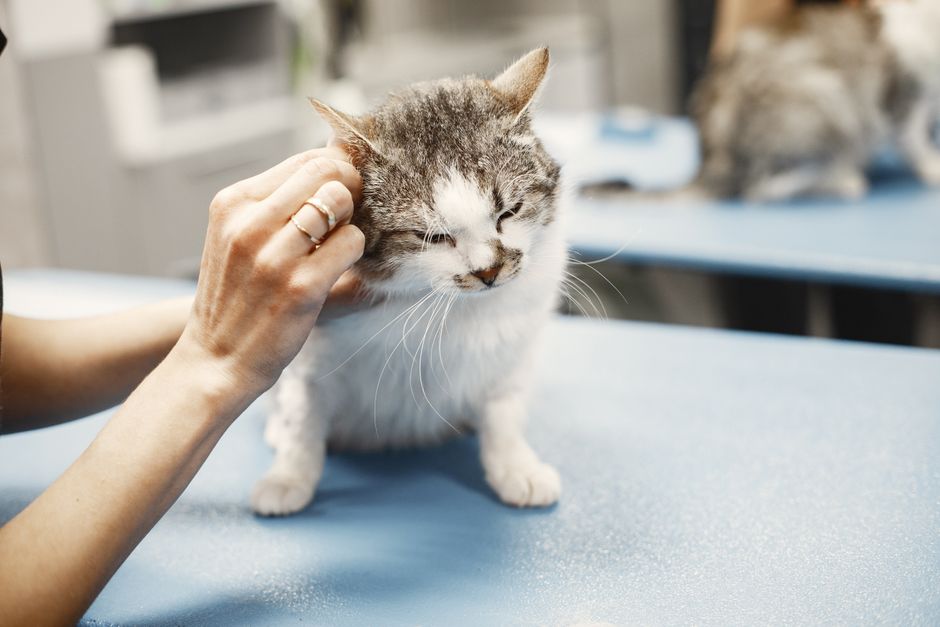
Both dogs and cats can develop allergies, but their symptoms sometimes look different. Dogs tend to show allergies through their skin, often developing irritated or infected areas from constant scratching or licking. Cats, on the other hand, may start overgrooming and develop hair loss or scabs along their necks and backs. You might also notice your cat sneezing more or developing watery eyes. Regardless of the species, allergies can significantly impact your pet's quality of life if left unmanaged.
Why Do Pets Develop Allergies in Westlake Village?
Springtime in Westlake Village brings beautiful weather and plenty of outdoor opportunities, but it also means a surge in pollen, grasses, and other environmental allergens. Pets can develop allergies just like people, either from substances they encounter outside or from things inside the home such as dust mites or mold.
In our region, higher pollen counts during spring are a well-known trigger, especially for dogs that spend time in grassy areas or on hiking trails. Besides environmental triggers, pets can also develop allergies to certain foods, flea bites, or even household cleaning products. Genetics play a role as well, with some breeds being more prone to allergies than others.
Understanding the cause of your pet’s symptoms is not always straightforward. That is where professional allergy testing and veterinary dermatology services become essential. Our veterinarians can help pinpoint whether your pet’s reaction stems from something they are eating, something in the air, or another source entirely.
Common Allergy Triggers for Local Pets
Some of the most common triggers for allergies in pets around Westlake Village include tree and grass pollens, weeds, mold spores, dust mites, and flea bites. Even indoor allergens such as certain fabrics or aerosols can cause problems. When pets are allergic, their immune systems overreact to these otherwise harmless substances, resulting in the uncomfortable symptoms described above.
How Townsgate Pet Hospital Diagnoses and Treats Pet Allergies
When your pet is suffering from allergies, getting an accurate diagnosis is the first step toward effective relief. At Townsgate Pet Hospital, our veterinary professionals offer comprehensive allergy testing services to determine what is causing your pet’s discomfort. Testing may involve blood work, skin tests, or elimination diets depending on the suspected allergen and your pet’s medical history.
Our dermatology services are designed to address all types of skin conditions related to allergies. Once we have identified the cause, treatment options may include prescription medications to control itching and inflammation, medicated shampoos, topical treatments, or specific changes to your pet’s diet. In some cases, immunotherapy (allergy shots) may be recommended to gradually desensitize your pet to the offending allergen.
If secondary infections have developed due to scratching or overgrooming, our team can provide targeted therapies to heal the skin and prevent further issues. We also educate pet owners about ongoing management, so you know what to expect and how to support your pet’s recovery at home.
What to Expect During Your Visit
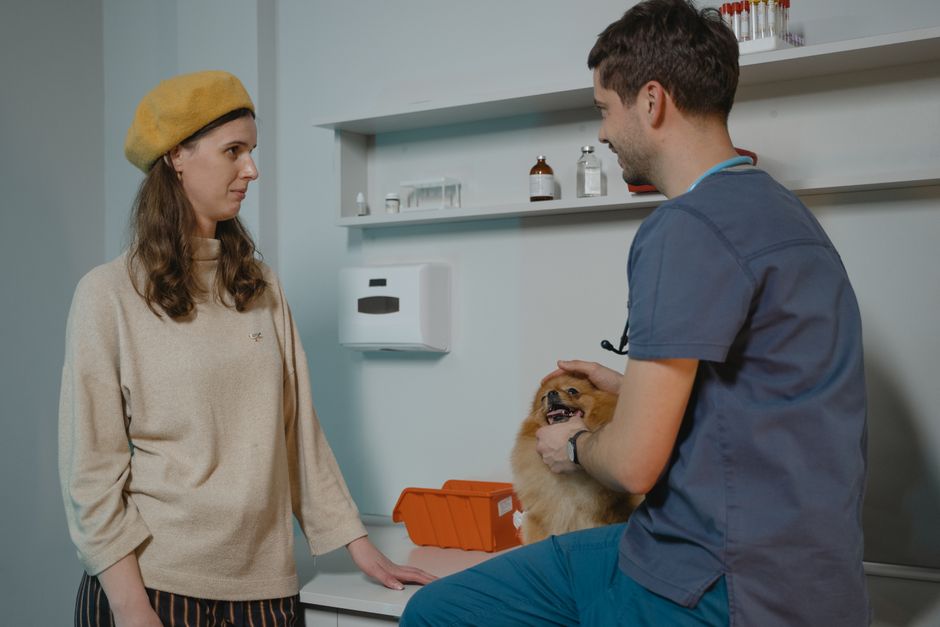
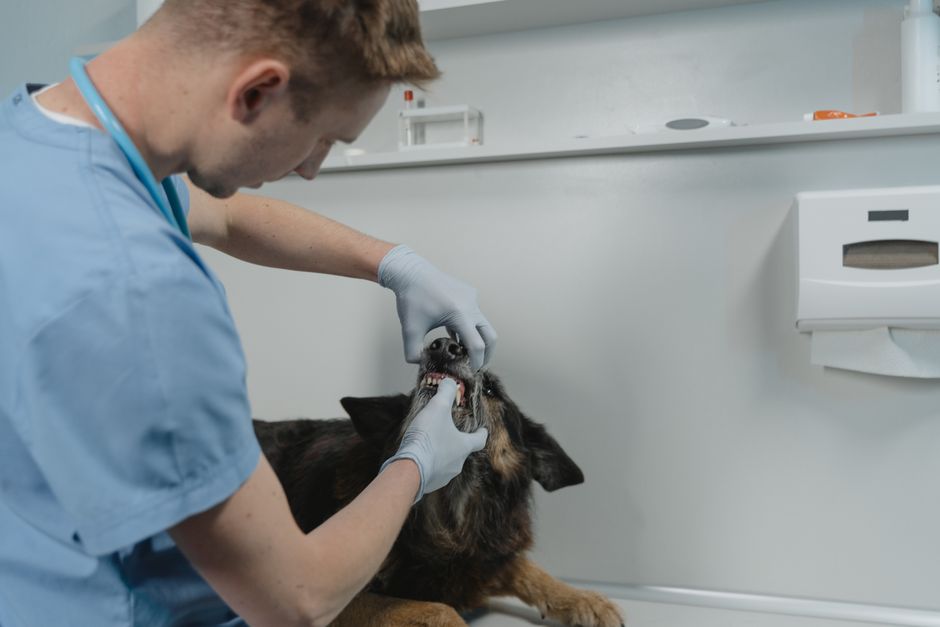
When you schedule an appointment with Townsgate Pet Hospital, your pet will receive a thorough examination as part of our commitment to comprehensive care. Our veterinarians will ask about your pet’s recent activities, diet, and any changes in behavior or environment. Diagnostic tests may be recommended to clarify the allergy’s origin. Throughout the process, we work closely with you to develop a personalized treatment plan that fits your pet’s needs and your family’s lifestyle.
Home Care and Preventive Tips for Managing Pet Allergies
While professional veterinary care is essential for diagnosing and treating allergies, there are steps you can take at home to support your pet’s comfort—especially during peak allergy season in Westlake Village. Regularly wiping your pet’s paws and fur after outdoor play helps remove pollen and other allergens before they can cause irritation. Frequent bathing with a veterinarian-recommended shampoo can also provide relief by soothing inflamed skin and washing away allergens.
Keeping your home environment as clean as possible is another important step. Vacuum floors and furniture often, wash your pet’s bedding regularly, and consider using air purifiers to reduce indoor allergens. If your pet is known to have food allergies, work with our veterinary team to ensure their diet is safe and balanced. For those pets sensitive to flea bites, maintaining a year-round flea prevention program is critical.
Adjusting outdoor activities during high pollen times or after lawn mowing can help minimize exposure. By observing your pet closely and making small changes to their routine, you can often prevent mild symptoms from escalating into more serious conditions.
Supporting Your Pet’s Skin Health
Healthy skin is your pet’s first line of defense against environmental allergens. Ensuring your dog or cat gets a balanced diet with the right nutrients, including omega-3 fatty acids, can promote skin resilience. Ask our veterinary team for nutritional counseling if you are unsure about the best food choices for your allergy-prone pet. Additionally, avoid using harsh cleaning chemicals or scented sprays around your pet’s favorite lounging spots, as these can sometimes trigger allergic reactions.
When to Seek Veterinary Care for Your Pet’s Allergies
It is not always easy to know when a pet’s symptoms require professional attention. Mild, occasional scratching or sneezing may not signal a serious issue; however, persistent or worsening symptoms should never be ignored. If your pet is excessively licking, chewing, or scratching, develops open sores, experiences repeated ear infections, or has any swelling of the face or difficulty breathing, it is time to schedule an appointment with your veterinarian.
Prompt veterinary care is especially important if over-the-counter remedies or home adjustments do not lead to improvement within a few days. Delaying treatment can allow minor irritations to develop into chronic skin problems or infections, which are harder and more expensive to resolve. Our veterinarians at Townsgate Pet Hospital are trained to identify the underlying cause and provide customized solutions to help your pet get back to feeling their best.
For families searching for a "vet near me" in Westlake Village and neighboring communities, our clinic is dedicated to providing both immediate support and ongoing management for seasonal and year-round pet allergies.
Compassionate Support for Pets with Allergies in Westlake Village
Spring allergies can make life uncomfortable for your dog or cat, but with the right help, relief is possible. Recognizing early warning signs, understanding common triggers, and working with a trusted veterinary team are all important steps in keeping your pet healthy and happy through every season. At Townsgate Pet Hospital, our veterinarians offer advanced allergy testing services and dermatology expertise to diagnose and treat allergies with compassion and skill.
If you suspect your pet is suffering from allergies this spring, do not wait for symptoms to worsen. Schedule an appointment with our veterinary professionals today by calling (805) 230-1999 or visiting us at 2806 Townsgate Road Suite C, Westlake Village, CA 91361. We are committed to helping pets in Westlake Village and surrounding communities breathe easier and enjoy the spring weather. Your pet’s comfort and health are always our top priorities.
This blog is intended for informational purposes only and should not be considered a substitute for professional veterinary advice. If you have concerns about your pet’s health, please contact your veterinarian directly.